
- The funding round comprises US$24 million in Series A equity funding and US$17.5 million in debt facilities from BII and DFC
- The capital injection will be deployed to deliver 1,000 electric buses in East Africa over the next three years
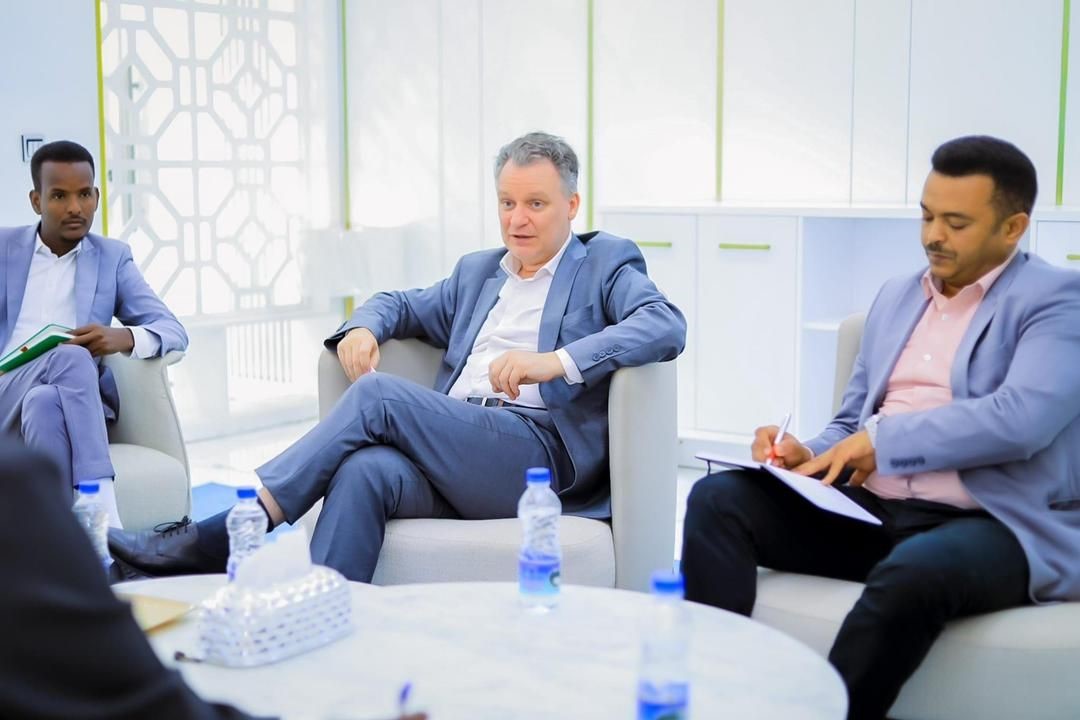
Africa50, the pan-African infrastructure investor and asset manager,has led a new US$42 million funding round for BasiGo, a provider of sustainable e-mobility solutions in sub-Saharan Africa.
The funding consists of US$24 million in Series A equity and US$17.5 million in debt from British International Investment (BII) and the U.S. International Development Finance Corporation (DFC).
 The financing marks the most significant investment by an African investor in an e-mobility company, representing a pivotal step towards creating a sustainable and inclusive transport sector across the continent.
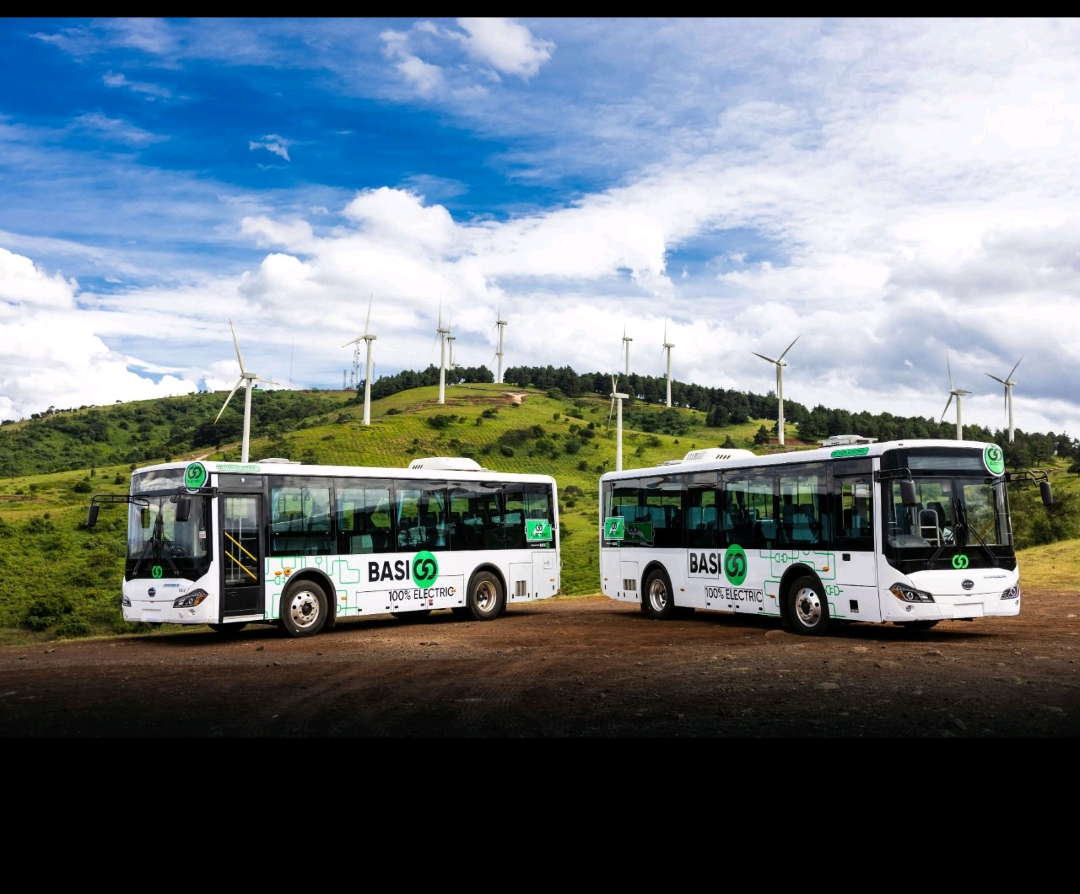
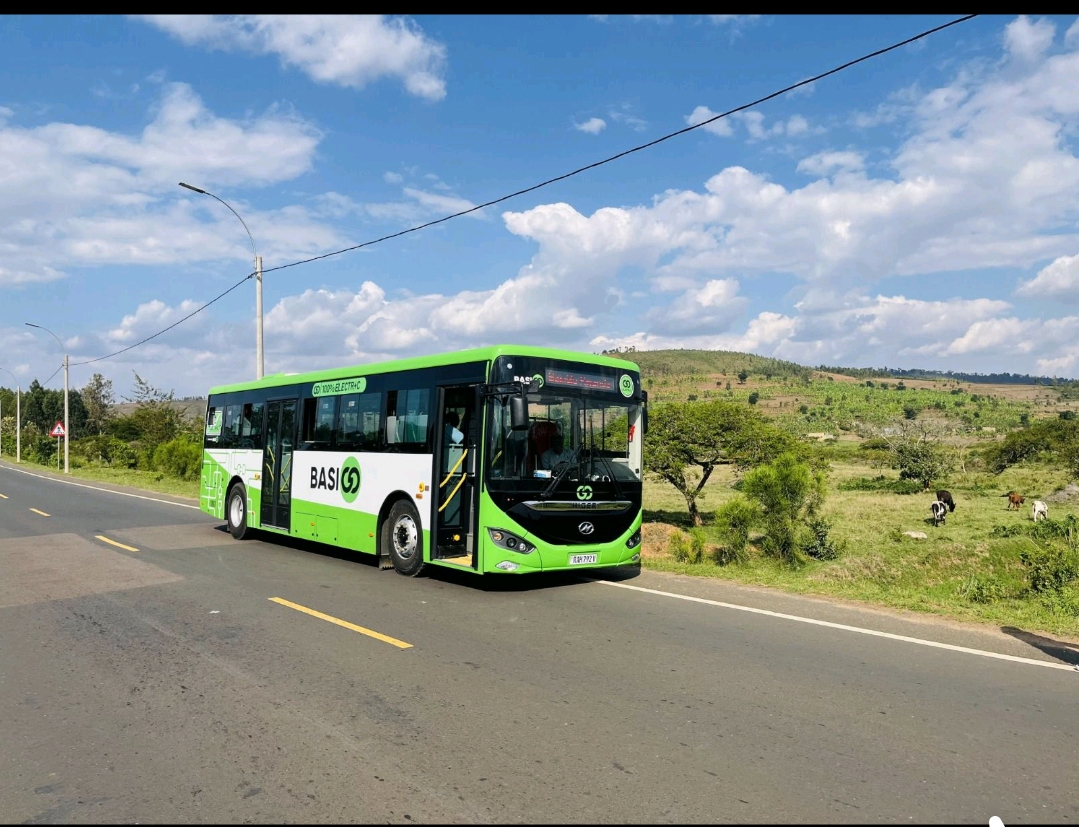
As cities expand, e-mobility solutions like BasiGo’s electric buses offer a vital solution to reducing emissions as electric buses can lower CO2 emissions by 70-90% compared to diesel buses, improving air quality, and supporting the continent’s transition to greener transport systems.
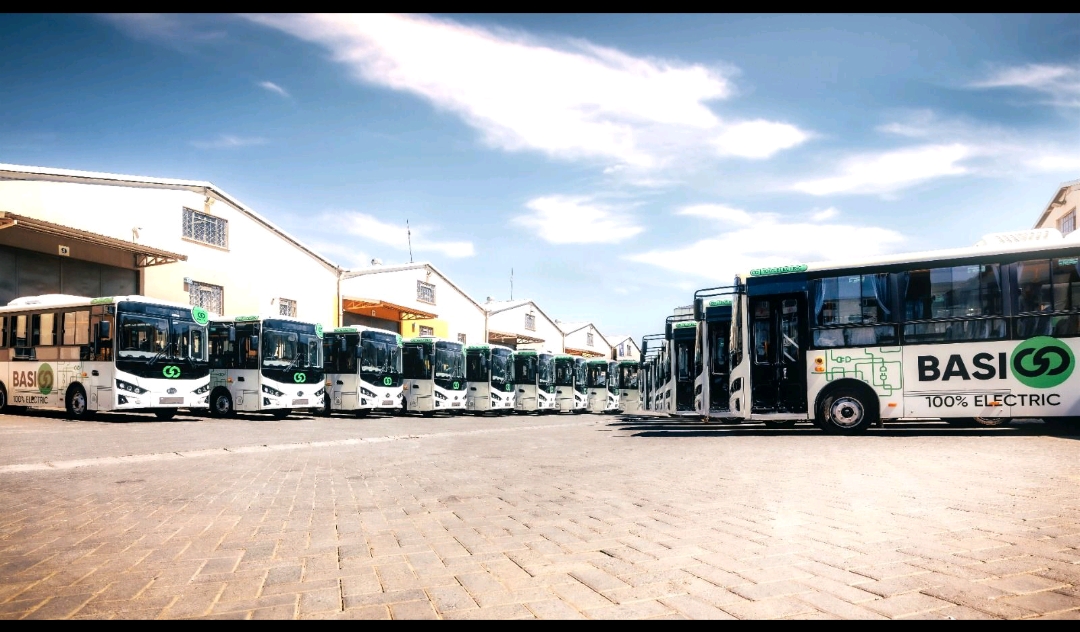
 The capital will accelerate BasiGo’s core objective to deliver 1,000 electric buses within the next three years.
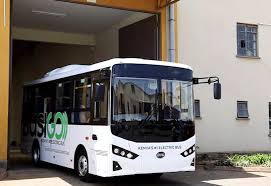
In Kenya, the funding will be applied to support expansion of the manufacturing capacity at BasiGo’s dedicated E-Bus assembly line, located at Kenya Vehicle Manufacturers.
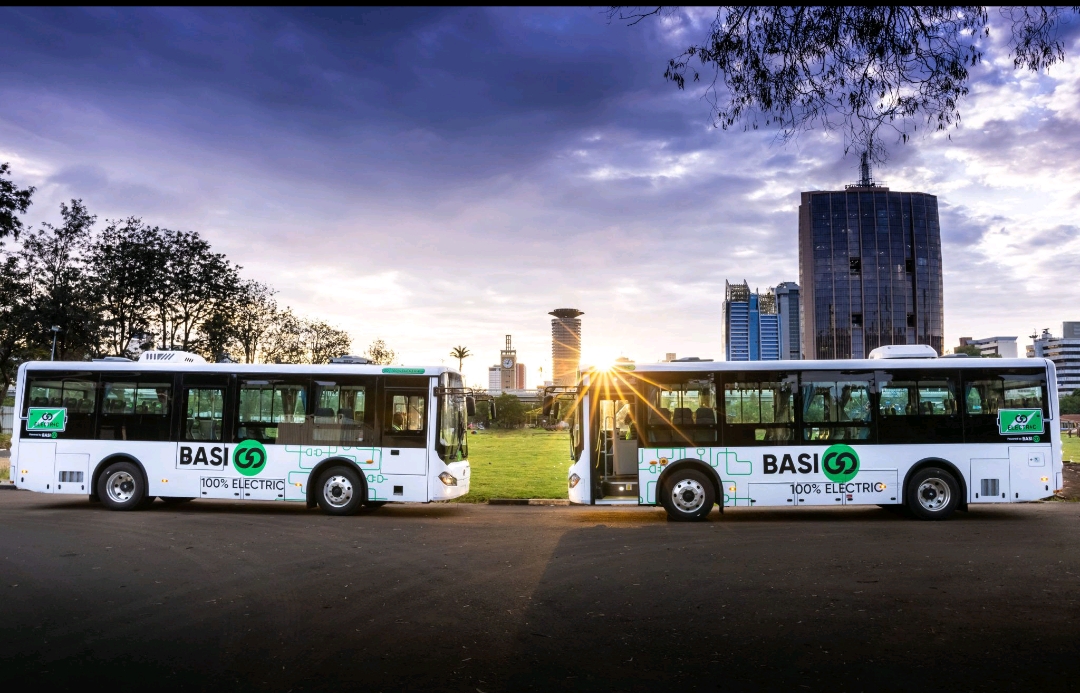 This will enable the expansion of the product line to include new vehicle types and improve BasiGo’s technology platform, making electric buses more accessible and convenient for passengers.
 The Series A equity round features co-investments from Japan’s leading venture capital firm SBI Holdings and follow-on investments from Novastar Ventures, CFAO Kenya, Mobility54, Trucks VC, Moxxie VC, and Susquehanna International Group.
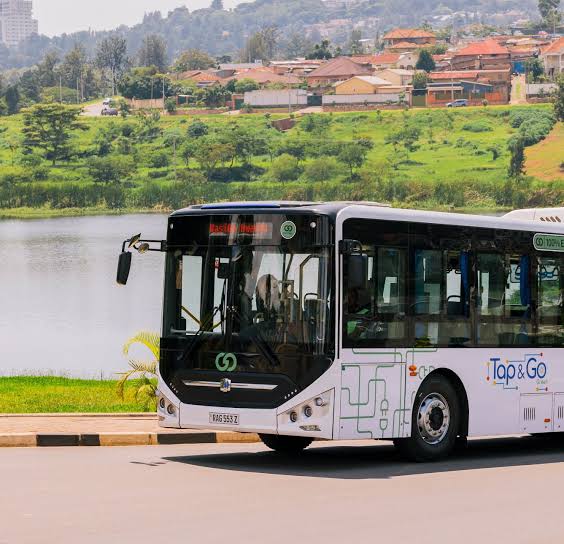
It also unlocks a US$10 million debt facility from DFC for BasiGo Kenya, as well as a new US$7.5 million debt facility from BII, designed specifically to help scale BasiGo’s E-bus deployment in Rwanda.
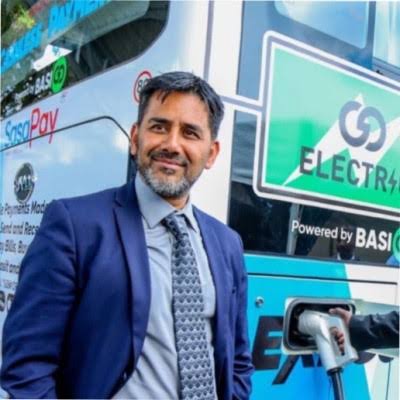
 Raza Hasnani, Managing Director and Head of Infrastructure Investments at Africa50, said: “By financing innovative electric bus solutions, we underscore our active support for the continent’s transition to a low-carbon future.
BasiGo’s e-buses not only improve public transport solutions and energy efficiency but also promote economic resilience by reducing reliance on fossil fuels from traditional diesel buses and increasing uptake of excess renewable power during off-peak hours.
BasiGo is uniquely positioned to scale in East Africa and beyond, thanks to its exceptional engineering team, strong value proposition for operators, and the calibre of strategic partners it has assembled”.
 Jit Bhattacharya, CEO of BasiGo, said:”Since we were founded, our mission has been to create a future of clean, electric public transportation in Africa.
We are thrilled that Africa50, a premier African infrastructure investor and asset manager, recognises the potential of our mission.
The combined equity and debt investment into BasiGo validates our vision and enables us to focus on scale and profitability”.
Africa50’s portfolio includes 25 transformative projects across 28 countries, with a total value exceeding US$8 billion across energy, transport, digital infrastructure, education, and healthcare.
Africa50’s other investments in Kenya include Poa! Internet, PAIX Data Centres, and the ongoing development of independent private transmission lines under a PPP framework.