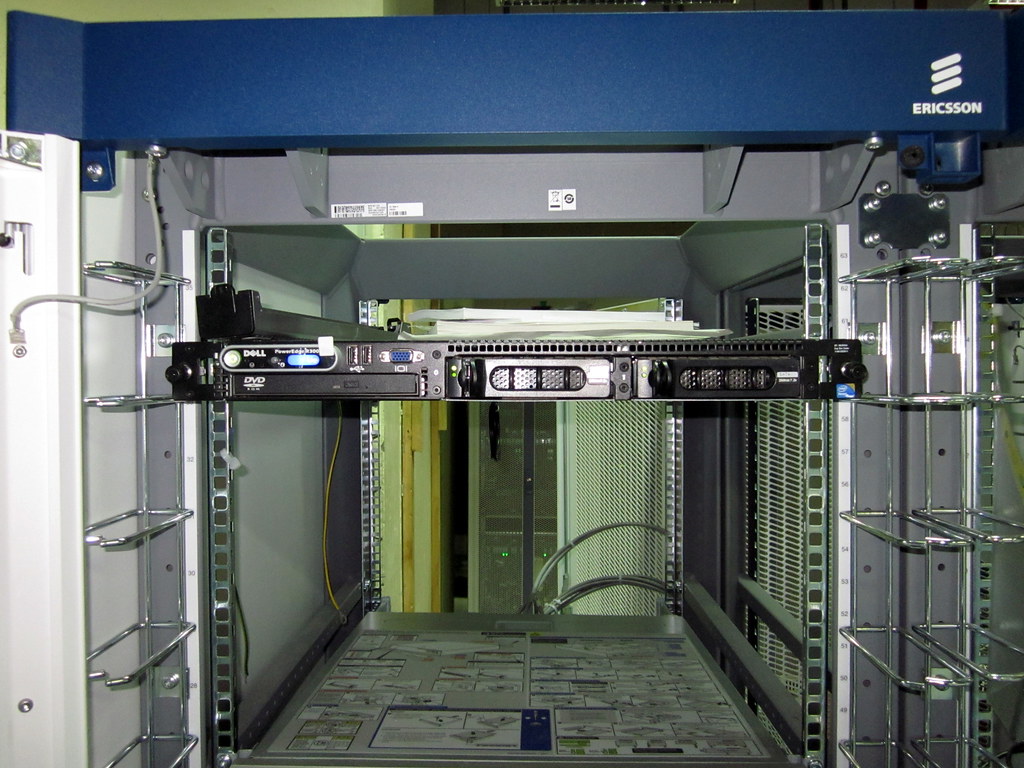
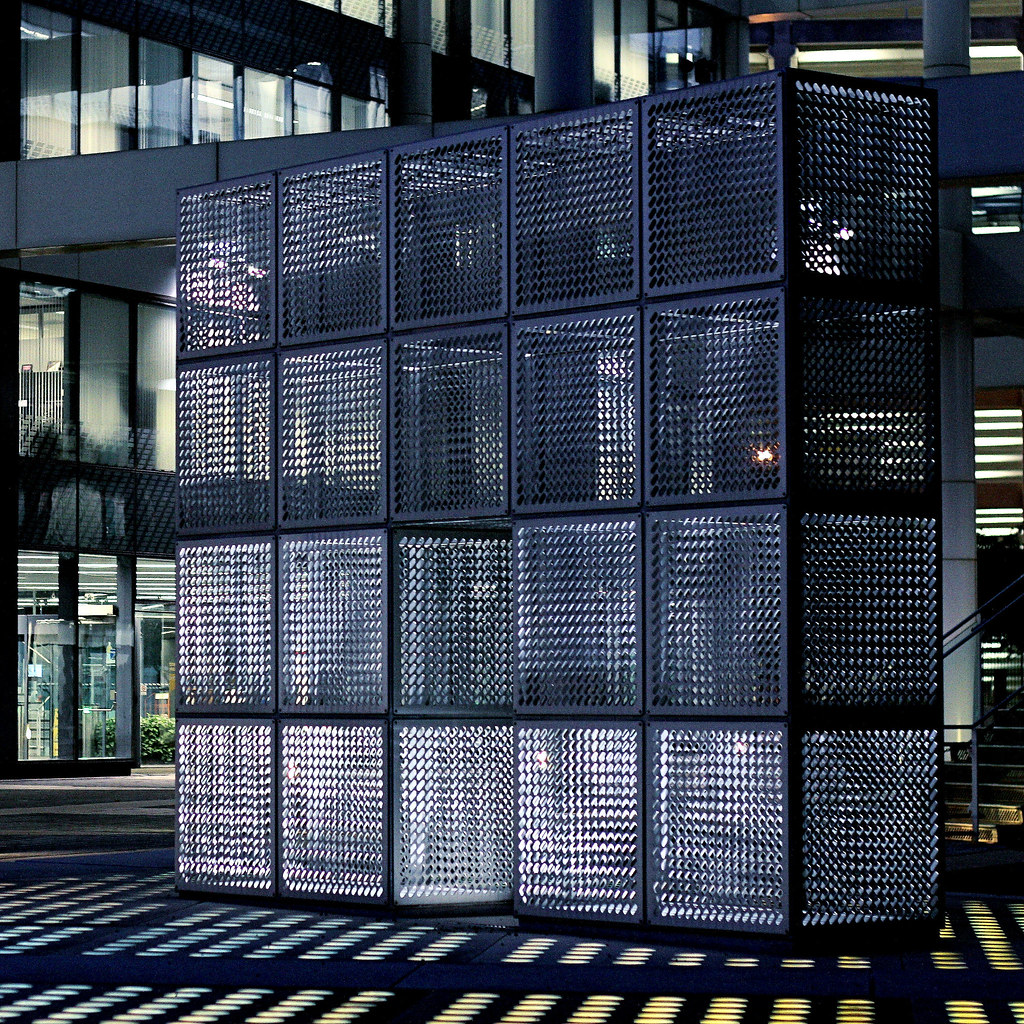

The digital heartbeat of Nairobi has changed. Walking through the tech hubs in Westlands or Kilimani today, the conversation isn’t just about app development or fintech APIs; it’s about where that data lives. As we move through 2026, the rise of East Africa data centers is no longer a futuristic concept—it is the foundational infrastructure powering the region’s economic acceleration. For years, Kenyan startups and enterprises relied on servers located in Europe or the Middle East. That era is largely over.
Why Local Infrastructure Matters Now
In earlier years, sending data across continents introduced latency that slowed down user experiences and increased costs. Today, the push for digital sovereignty has made local storage not just a preference, but a necessity. Kenyan users expect instant load times for banking apps, medical records, and video streaming services. By hosting data within Kenya’s borders, companies achieve lower latency and comply with increasingly strict local data protection regulations introduced in the mid-2020s.
This shift is also an economic wins. Keeping data local means keeping the associated revenue, jobs, and technical expertise within the country. It creates a ecosystem where cloud providers compete on service quality rather than just geographic necessity.
The Role of AI and Edge Computing
One of the most significant drivers for East Africa data centers in 2026 is the explosion of AI-driven applications. Artificial Intelligence requires massive computational power and low-latency connections to be effective. You cannot run real-time AI diagnostics or personalized retail recommendations if your server is halfway around the world.
- Real-time Processing: AI models for language translation in Swahili and local dialects need to run close to the user.
- Energy Efficiency: Newer facilities utilize renewable energy sources, aligning with Kenya’s sustainable tech goals.
- Edge Nodes: Smaller server rooms are popping up in secondary cities like Mombasa and Kisumu, distributing the load.
Overcoming Challenges: Power and Connectivity
Building a world-class data center requires more than just racks of servers; it requires stability. The greatest hurdle has always been power reliability. However, by 2026, the integration of robust solar hybrid systems and backup diesel generators has made Kenyan facilities some of the most resilient on the continent. Furthermore, with the landing of new subsea fiber optic cables, connectivity speeds have improved dramatically, ensuring that these local hubs can communicate globally without bottlenecks.
What This Means for Businesses
For startups and SMEs, this infrastructure boom means access to enterprise-grade cloud services at competitive prices. You no longer need to migrate your primary office to a tier-one capital city to access top-tier tech resources. The digital playing field is leveling out, allowing innovative Kenyan-based firms to compete globally while serving their local communities with superior speed and security.
FAQs About Data Infrastructure in Kenya
Are Kenyan data centers secure?
Yes. Modern facilities adhere to international security standards, including biometric access controls, 24/7 surveillance, and advanced cybersecurity protocols to prevent physical and digital breaches.
How does this affect consumer prices for internet services?
Increased competition and localized infrastructure often lead to more transparent pricing. While individual data plans may vary, the overall cost of delivering digital services drops as latency and external hosting fees decrease.
Is this trend expanding beyond Nairobi?
Absolutely. While Nairobi remains the primary hub, there is a notable push to develop smaller edge data centers in Mombasa and Kigali to serve the wider East African Community more efficiently.