
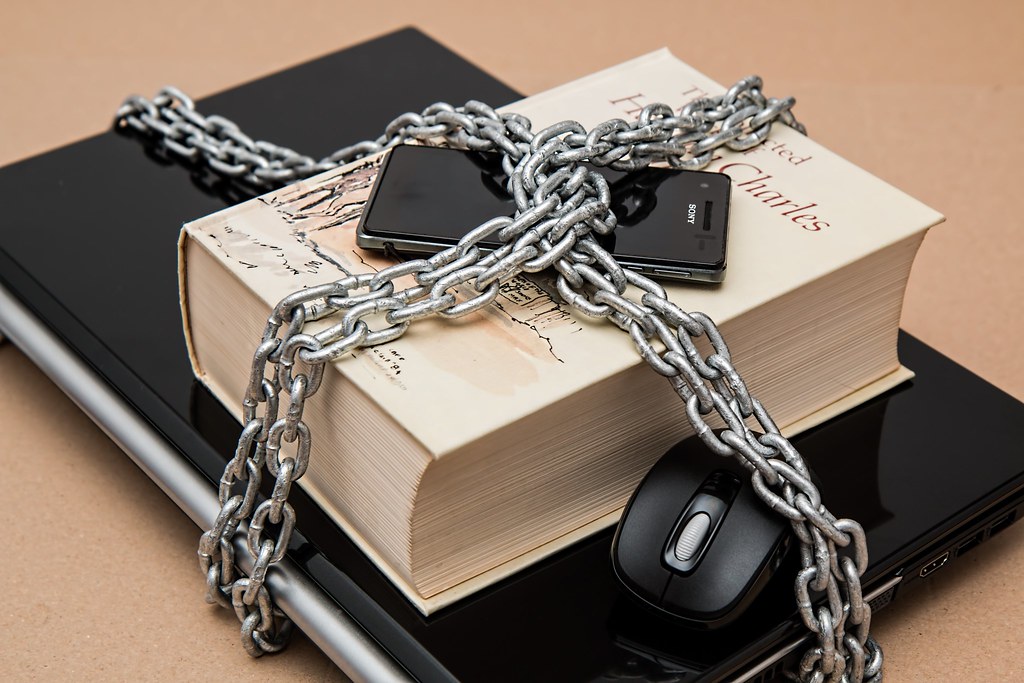

The proliferation of hyper-personalized AI tools has transformed how we manage our daily lives. From scheduling complex itineraries to managing smart home ecosystems, these digital helpers are indispensable. However, this convenience comes with a significant trade-off: privacy. As we navigate the mid-2020s, the critical question for tech-savvy users is no longer just about functionality, but how to secure AI assistants effectively against both corporate data harvesting and potential cyber threats.
Understanding the New Privacy Landscape in 2026
In 2026, AI models are deeply integrated into operating systems, often running locally on devices rather than solely in the cloud. This shift, known as “on-device inference,” offers a substantial privacy benefit. However, it does not eliminate risk. Many assistants still sync data for cross-device continuity, creating potential vulnerabilities. Understanding this balance is the first step in securing your digital environment.
Practical Steps to secure AI assistants
Protecting your data requires proactive configuration. Here are actionable steps to enhance your privacy settings immediately.
1. Audit App Permissions Regularly
AI assistants require access to various sensors and data stores to function optimally. However, default settings often grant excessive permissions. Go into your device settings and review which apps have access to your microphone, camera, location, and health data. Disable permissions for apps that do not strictly need them for core functionality.
2. Enable Local Processing Modes
Most modern smartphones and smart speakers offer a “private mode” or “local processing” toggle. Activating this ensures that voice commands and data requests are processed on your hardware rather than being sent to remote servers. While this may slightly increase response time, it significantly reduces the amount of personal data leaving your device.
3. Use Dedicated Hardware Buttons
Physical microphone kill switches are now standard on most major devices. Make it a habit to flip this switch when you are not actively using your assistant. This physical barrier provides peace of mind that no audio is being captured, regardless of software glitches or breaches.
4. Regularly Delete Interaction History
Even with local processing, logs can accumulate. Schedule a monthly cleanup of your assistant’s interaction history. Many platforms allow you to auto-delete data after 30 or 180 days. Automating this process ensures that no unnecessary personal data remains stored indefinitely.
FAQ: Common Questions About AI Privacy
Does turning off the microphone block all data collection?
No. While it prevents audio capture, the device may still collect metadata such as location or usage patterns. Always review broader privacy settings alongside physical switches.
Is on-device AI safer than cloud-based AI?
Generally, yes. On-device processing keeps data within your hardware, reducing exposure to external breaches. However, it is crucial to keep your device’s software updated to patch local security vulnerabilities.
Can I use AI assistants without an account?
Most mainstream assistants require an account for syncing and advanced features. However, some open-source alternatives allow for offline, account-free usage, though they may lack the polish of commercial products.
By taking these steps, you can enjoy the benefits of advanced automation without compromising your personal privacy. The key to securing your digital life in 2026 is vigilance and regular maintenance.