

The conversation about artificial intelligence has shifted dramatically. While large language models still run on massive server farms, the most impactful changes for consumers are happening right inside their pockets. This is the era of on-device AI, where processing happens locally on your smartphone, laptop, or smart home hub rather than being sent to the cloud. For 2026, this transition isn’t just a technical footnote; it’s the foundation of a more private, faster, and accessible digital experience.
The Privacy Advantage of Local Processing
The most immediate benefit of on-device AI is privacy. In earlier years, users had to trust tech giants to handle their photos, messages, and voice notes securely in the cloud. Today, with advanced neural engines built into standard consumer chips, sensitive data never leaves your device. This local processing means that personal context—like your calendar, location history, or private messages—is used to enhance AI suggestions without ever being uploaded for training or storage on remote servers.
This shift addresses growing consumer concerns about data surveillance and consent. You retain true ownership of your digital footprint because the intelligence relies on data that only you can access.
Speed and Reliability Beyond Connectivity
Latency has always been the enemy of real-time interaction. When you ask a cloud-based assistant a question, there is a tangible delay while data travels to a server and back. On-device AI eliminates this bottleneck. Responses are instantaneous because the computation happens microns away from your input.
Furthermore, local AI works offline. Whether you are in an airplane, a subway tunnel, or a remote cabin without signal, your device remains smart. This reliability is crucial for professional tools that need to transcribe meetings, translate languages in real-time, or organize notes without an internet connection.
Hardware Innovations Powering the Change
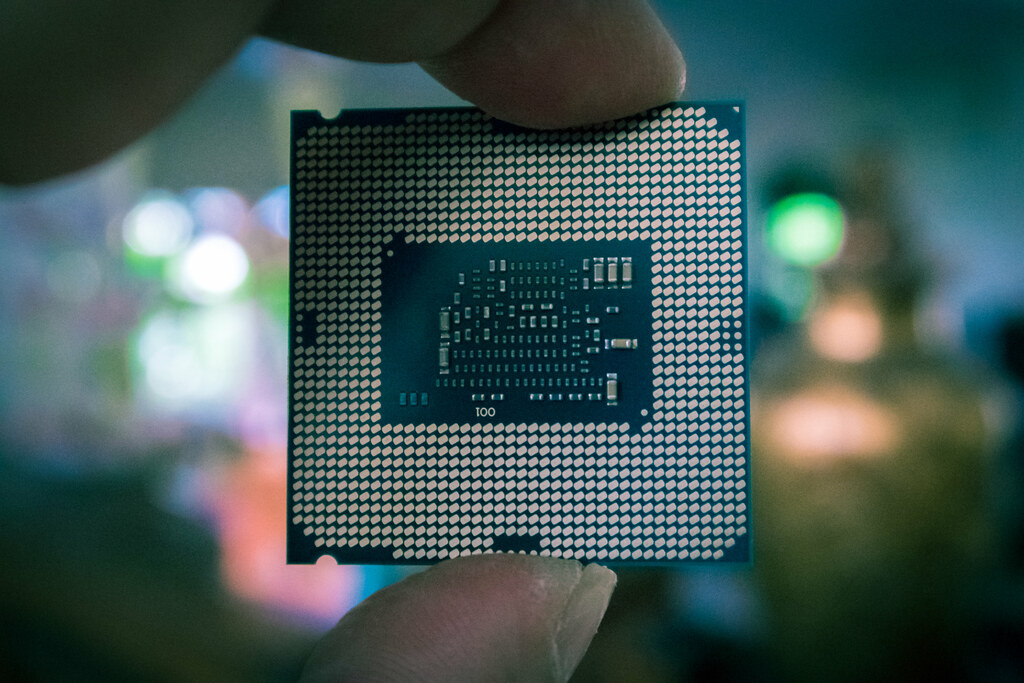
This software revolution is driven by hardware. Modern system-on-chips (SoCs) now feature dedicated Neural Processing Units (NPUs) designed specifically for machine learning tasks. These units are highly energy-efficient, meaning AI features no longer drain your battery as quickly as they did in the early days of mobile AI.
- Instant Photo Editing: Remove objects or enhance lighting locally using semantic understanding of the scene.
- Real-Time Translation: Speak into your phone and hear translations in another language with zero lag.
- Smart Summarization: Quickly condense long emails or articles while reading them, without sending text to a third party.
FAQ: Understanding the Local Shift
Is on-device AI less powerful than cloud AI?
Not necessarily for everyday tasks. While cloud models handle the most complex, global-knowledge queries, on-device models are highly optimized for personal context. For routine assistance, summarization, and creative tools, local AI is now sufficiently powerful and offers a better user experience due to speed.
Will my battery last longer with on-device AI?
Yes. Modern NPU hardware is designed to handle machine learning tasks with significant energy savings compared to using the central processor (CPU) or graphics processor (GPU). Additionally, avoiding constant data transmission saves battery compared to cloud-dependent workflows.
Do I need a new device to use these features?
The best experience requires hardware from the last two to three years. Older devices may lack the dedicated neural engines required for efficient, real-time processing. If you are buying a device in 2026, ensure it advertises a dedicated NPU or AI accelerator.
The Future is Personal and Local
The trajectory is clear. As models become more efficient, the line between cloud and local power will blur, but the core value proposition of on-device AI remains: it puts control, speed, and privacy back into the hands of the user. The smartest device you own isn’t the one connected to the biggest server; it’s the one that understands you best, right where you are.