
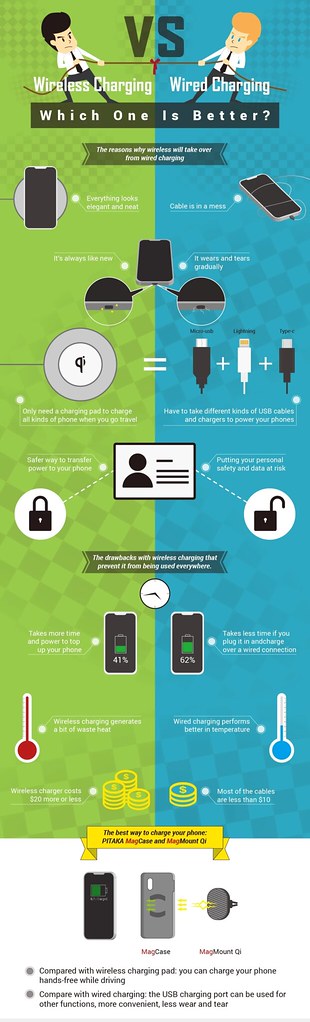

If you open your bag today, you likely find yourself sifting through a tangled knot of proprietary cables. That frustration, however, is rapidly becoming a relic of the past. In 2026, **USB-C smartphone charging** has matured from a regulatory mandate into a seamless, high-performance ecosystem that genuinely simplifies daily life. The initial transition period is over, and consumers are now witnessing the tangible benefits of a unified standard.
The End of the Proprietary Wall
For years, major tech competitors used proprietary charging ports as a moat to lock users into specific ecosystems. With the global adoption of USB-C now nearly universal across Android and iOS devices, that barrier has crumbled. This shift isn’t just about convenience; it’s about reducing electronic waste. Users no longer need to carry multiple adapters for different devices, leading to a significant drop in single-use plastic and rare-earth metal waste within the consumer electronics sector.
The immediate benefit for the average user is interchangeability. One high-quality cable can now power your phone, charge your noise-canceling headphones, and transfer data to your tablet. This universality has spurred innovation in cable durability, with many 2026 models featuring reinforced braiding and higher current ratings to handle the demands of flagship devices.
Speed and Efficiency: More Than Just a Port
While the physical connector is the same, the underlying technology powering **USB-C smartphone charging** has evolved dramatically. We are seeing widespread adoption of USB Power Delivery (USB-PD) version 3.1 and beyond on mid-range devices, not just flagships. This means that even moderately priced smartphones can now accept 65W to 100W of power, allowing them to charge at speeds previously reserved for premium tiers.
Furthermore, thermal management has improved. Modern USB-C controllers are smarter about regulating temperature, ensuring that fast charging doesn’t degrade battery health as rapidly as earlier generations. Manufacturers are prioritizing long-term battery lifespan, recognizing that users care more about a battery that lasts three years than one that charges in ten minutes but dies in twelve months.
What to Look For in 2026 Cables
- Look for “E-Marker” chips in your cables, which ensure safe high-current transfer.
- Prioritize cables with reinforced strain relief to prevent fraying.
- Check for certification logos from the USB Implementers Forum to avoid counterfeit products.
FAQ: USB-C Smartphone Charging in 2026
Is all USB-C charging the same?
No. While the port is identical, the charging speeds vary based on the device’s support for USB Power Delivery standards and the cable’s rating. A generic 2026 cable might only support 5W, while a premium cable can handle 100W+ for laptops and phones alike.
Why did it take so long to switch?
Industry resistance and competition over proprietary ecosystems delayed the shift. However, global regulations and consumer demand for sustainability accelerated the timeline, making USB-C the dominant standard by 2025-2026.
Does USB-C slow down data transfer?
On the contrary, universal USB-C has enabled faster data transfer protocols like USB 3.2 and USB4 to become standard on many mid-range devices, allowing for near-instant photo and video backups.
The evolution of **USB-C smartphone charging** is a clear example of how regulation and consumer convenience can align. As we move further into 2026, the focus shifts from adoption to optimization, ensuring that our connection to power is as efficient as the devices themselves.