
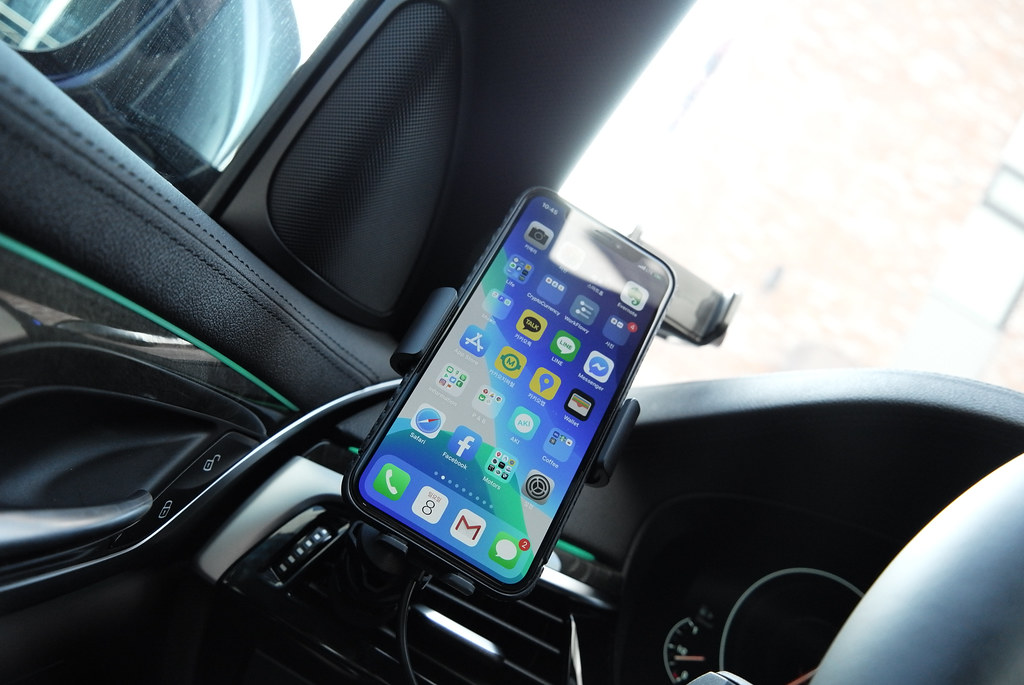

The smartphone form factor has remained stubbornly static for a decade, but one persistent holdout is finally cracking: the charging port. As we navigate through 2026, the shift toward wireless charging ports is no longer a futuristic gimmick but a mainstream reality. Major manufacturers have begun removing USB-C and Lightning brackets in favor of sealed, water-resistant designs powered exclusively by high-efficiency induction.
The Rise of Wireless Charging Ports
Why remove a feature that users love? It comes down to durability and internal real estate. By eliminating the physical port, engineers can pack more battery density into the same chassis or make devices thinner without sacrificing capacity. Furthermore, a sealed bottom edge significantly improves ingress protection ratings, making phones more resilient to dust and water damage. For the average user, this means fewer “wet port” errors and less annoyance from lint clogs.
Speed and Efficiency in 2026
Skeptics often cite charging speed as the Achilles’ heel of wireless technology. However, the landscape has changed dramatically. Current-generation wireless charging ports (or rather, the absence of them) rely on advanced resonant inductive coupling. While peak wired speeds still edge out wireless in raw watts, the gap has narrowed sufficiently for daily use. Most modern devices can now charge from 0% to 80% in under 30 minutes using tabletop pads or built-in MagSafe-compatible mounts.
The Data Transfer Dilemma
The loss of a physical port raises valid concerns about data transfer. In 2026, this is largely mitigated by:
- Ultra-Fast Wi-Fi 7: Wireless file transfers are now near-instantaneous for most media files.
- Cloud Syncing: Seamless integration with cloud ecosystems reduces the need for direct device-to-device cable connections.
- Accessories: Magnetic adapters for legacy peripherals are widely available, though slightly bulky.
Is It Portability or Planned Obsolescence?
Critics argue that removing ports forces consumers to buy proprietary new cables or accessories, potentially increasing e-waste. While this is a concern, the industry counter-argument is that wireless charging ports simplify the supply chain. Without ports, there are no broken connectors or worn-out ports to replace, extending the usable life of the device itself. Moreover, universal magnetic standards are emerging, promising interoperability between different brands.
Battery Health Considerations
Heat remains the primary enemy of lithium-ion batteries. Older wireless charging methods generated excessive heat, degrading batteries faster. Today’s devices feature intelligent thermal management systems that adjust charging rates based on temperature. Users should still avoid charging under pillows or in direct sunlight to ensure longevity.
FAQ: Wireless Charging in 2026
Can I still use my old wired headphones?
Yes, but you will need a magnetic adapter or a USB-C to 3.5mm dongle that plugs into an intermediate hub. Pure port-less devices do not support direct analog connections.
Is wireless charging slower than wired?
In 2026, high-end wireless charging is nearly as fast as wired charging for daily top-ups. It may not beat the absolute peak speeds of 120W+ wired chargers, but for nightly charging, the difference is negligible.
Will this save the environment?
It depends. If you buy new proprietary cables for every new phone, it does not. However, if you use universal magnetic pads and reduce port-related repairs, it likely reduces overall e-waste and manufacturing complexity.
The transition is not without friction, but the trend is clear. Convenience, durability, and design purity are driving the removal of physical connectors. As standards unify, the wireless charging ports era will likely solidify, making cables a relic of the past.