
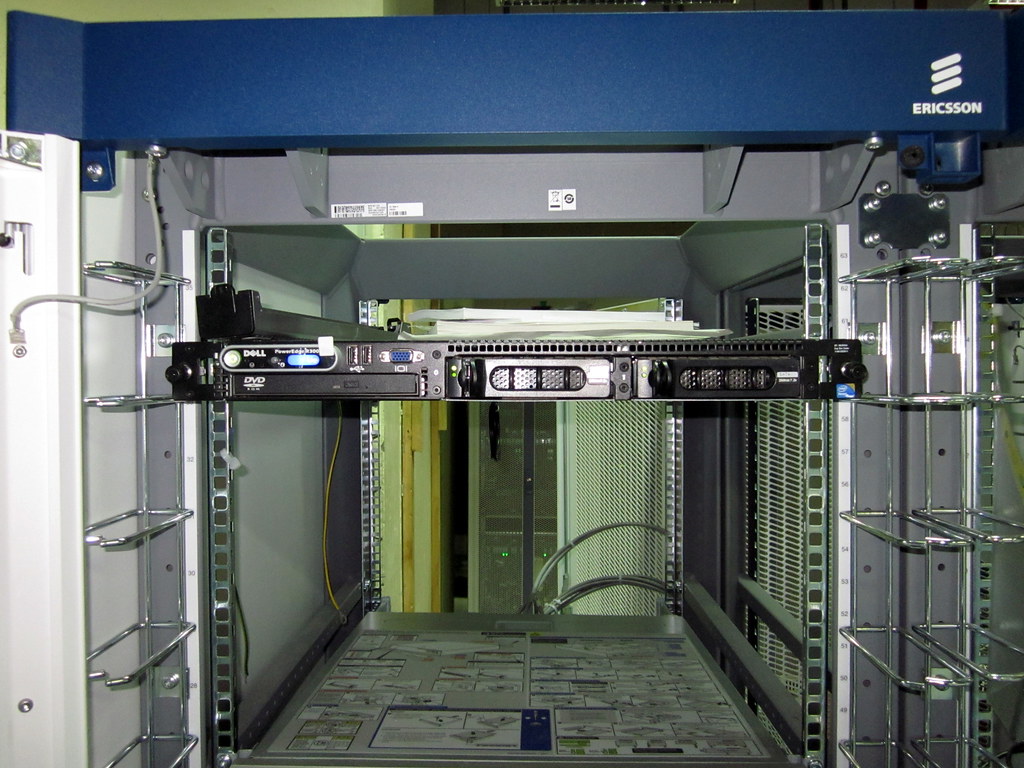

The Shift Toward Local Control
In 2026, the Kenya sovereign cloud initiative has moved from theoretical debate to concrete infrastructure reality. For years, Kenyan fintechs and government agencies relied heavily on offshore data centers in Europe or Asia. Today, a distinct shift is underway. Driven by tighter data protection regulations and a desire for greater digital autonomy, local enterprises are migrating workloads to servers physically located within Kenya’s borders. This isn’t just about nationalism; it’s about latency, legal compliance, and national security in an increasingly complex geopolitical landscape.
The push for data sovereignty stems from the need to ensure that sensitive citizen data remains under Kenyan jurisdiction. As digital banking and mobile money transactions hit new records, the risk of cross-border data breaches has become a primary concern for regulators. By hosting data locally, institutions can better enforce the Data Protection Act and respond faster to cybersecurity threats without navigating international legal hurdles.
Infrastructure Growth: Beyond Mombasa
Historically, international submarine cables landing in Mombasa formed the backbone of Kenya’s internet connectivity. While these links remain vital for global traffic, the Kenya sovereign cloud model relies on the expansion of Tier 3 and Tier 4 colocation facilities in Nairobi. New data centers are nearing completion, offering hyperscale capabilities that were previously unavailable locally. These facilities are designed to be energy-efficient and resilient, often powered by a mix of grid electricity and localized renewable energy solutions to combat unreliable power surges.
This infrastructure boom is attracting global tech giants to partner with local firms. Rather than building standalone campuses, these global players are leasing space within local facilities. This hybrid approach allows multinationals to offer ‘local’ cloud services to Kenyan clients, meeting regulatory requirements while maintaining their global network benefits.
Challenges in Sovereign Adoption
Despite the progress, challenges remain. The cost of local bandwidth is significantly higher than international leased lines, making the migration expensive for small and medium-sized enterprises (SMEs). Additionally, there is a skills gap in managing these sophisticated local data centers. The industry is currently scrambling to train certified engineers and security analysts who understand both cloud architecture and local regulatory compliance. Without a robust workforce, the potential of the Kenya sovereign cloud could be stifled by operational inefficiencies.
FAQ: Understanding Kenya’s Cloud Future
Why is Kenya focusing on sovereign cloud infrastructure in 2026?
The focus is driven by new regulations requiring sensitive data to remain within country borders. This ensures legal control over citizen information and improves cybersecurity response times for local threats.
How does this affect local businesses?
Local businesses must ensure their service providers comply with data residency laws. While migrating to local cloud providers may increase initial costs, it reduces legal risks and often improves data access speeds for end-users within Kenya.
Is the local infrastructure ready for hyperscale demand?
Nairobi is seeing a rapid expansion of Tier 3 and Tier 4 data centers. While capacity has grown significantly, power stability and skilled labor availability remain key areas for ongoing improvement in the near future.