
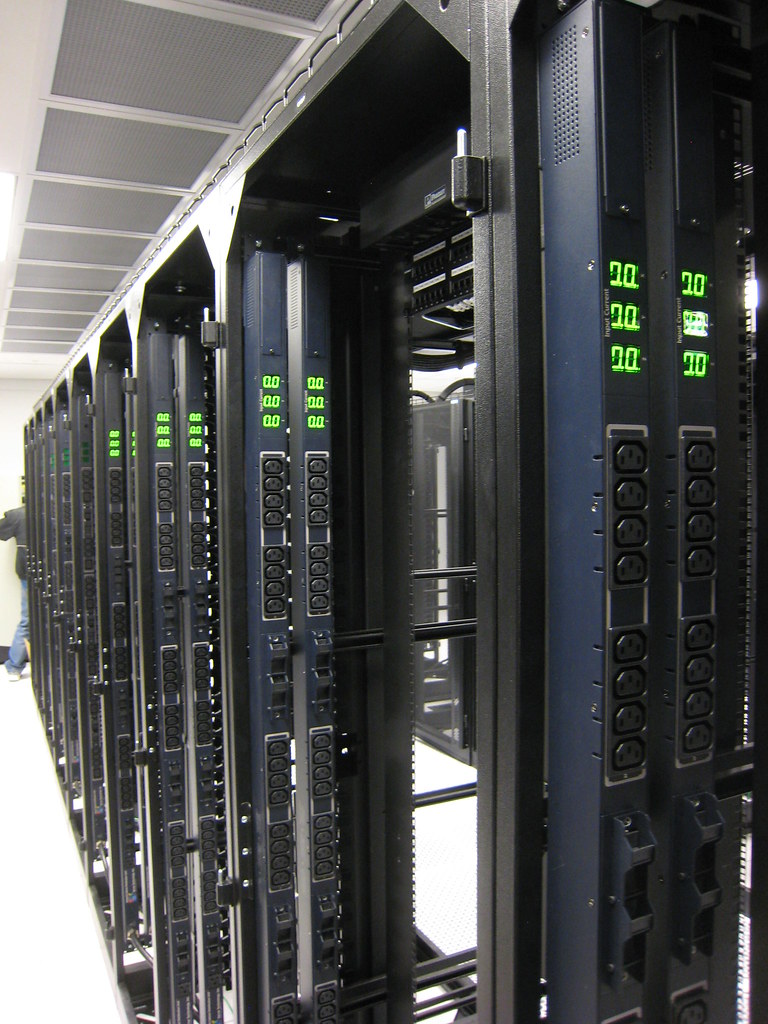

The landscape of cloud infrastructure has shifted significantly in 2026. While multi-tenant virtual private servers (VPS) remain the backbone of small-to-medium web hosting, a powerful alternative has moved from niche to mainstream. This is the bare-metal cloud, a service model that provides entire physical servers dedicated to a single user with the same API-driven agility as traditional virtual instances.
What Exactly Is a Bare-Metal Cloud?
In traditional cloud computing, your workload runs on a virtual machine (VM) that shares underlying physical hardware with other customers. This abstraction layer, while efficient for density, introduces variability in performance due to resource contention, often termed “noisy neighbor” effects. A bare-metal cloud eliminates the hypervisor entirely. You get the physical CPU, RAM, and storage directly, with no partitioning overhead. It combines the dedicated performance of a colocated server with the self-service provisioning speed of a cloud provider.
Why the Shift Away from Virtualization?
As applications become more compute-intensive, the limitations of virtualization are becoming apparent. Two key drivers are accelerating the adoption of bare-metal infrastructure:
- Consistent Performance: Machine learning training, high-frequency trading, and 4K/8K video rendering require predictable CPU cycles. Bare metal guarantees that 100% of the processor is available to your workload, eliminating the jitter common in shared environments.
- Hardware Acceleration Support: With the ubiquity of specialized GPUs and FPGAs for AI and scientific computing, direct access to these peripherals is crucial. Virtualization overhead can severely bottleneck data transfer to these accelerators, a problem bare metal solves inherently.
Bare-Metal Cloud vs. Colocation
A common question is whether businesses should simply collocate their own servers. The answer lies in flexibility. Colocation requires long-term contracts for rack space and power, plus significant capital expenditure for hardware that may become obsolete in three years. A bare-metal cloud operates on a pay-as-you-go or monthly subscription model. You can provision a high-end server in minutes and decommission it just as quickly, avoiding asset depreciation and maintenance burdens.
When Should You Use Bare-Metal?
Bare-metal is not a replacement for all cloud workloads. It is most effective for specific, demanding scenarios:
- Large Database Clusters: High-I/O databases like PostgreSQL or Oracle benefit greatly from direct disk access and CPU stability.
- Big Data Analytics: Processing massive datasets requires sustained compute power that virtualization often throttles.
- Security-Compliant Workloads: Industries with strict data sovereignty requirements prefer physical isolation to avoid potential hypervisor-level vulnerabilities.
The Future of Hybrid Infrastructure
By 2026, most enterprise architectures are hybrid. They use VMs for stateless web apps and microservices, but switch to bare-metal for the heavy lifting. This “right-sizing” approach optimizes cost and performance simultaneously. As API integrations between public clouds and bare-metal providers improve, managing this distributed infrastructure is becoming seamless. The technology is no longer just for supercomputing centers; it is accessible to any organization needing consistent, high-throughput performance.
FAQ
Is bare-metal cloud more expensive than VMs?
Generally, yes, per hour, because you are paying for dedicated hardware with no sharing. However, when compared to the compute power actually delivered, it often offers a better price-to-performance ratio for intensive workloads.
How fast is bare-metal provisioning?
Modern providers use pre-configured images and automated power-on sequences, allowing servers to be online in 5 to 15 minutes, comparable to starting a large VM.
Can I migrate existing VMs to bare metal?
Yes, most major providers offer migration tools that help convert virtual disk images to run natively on physical hardware, minimizing downtime during the transition.