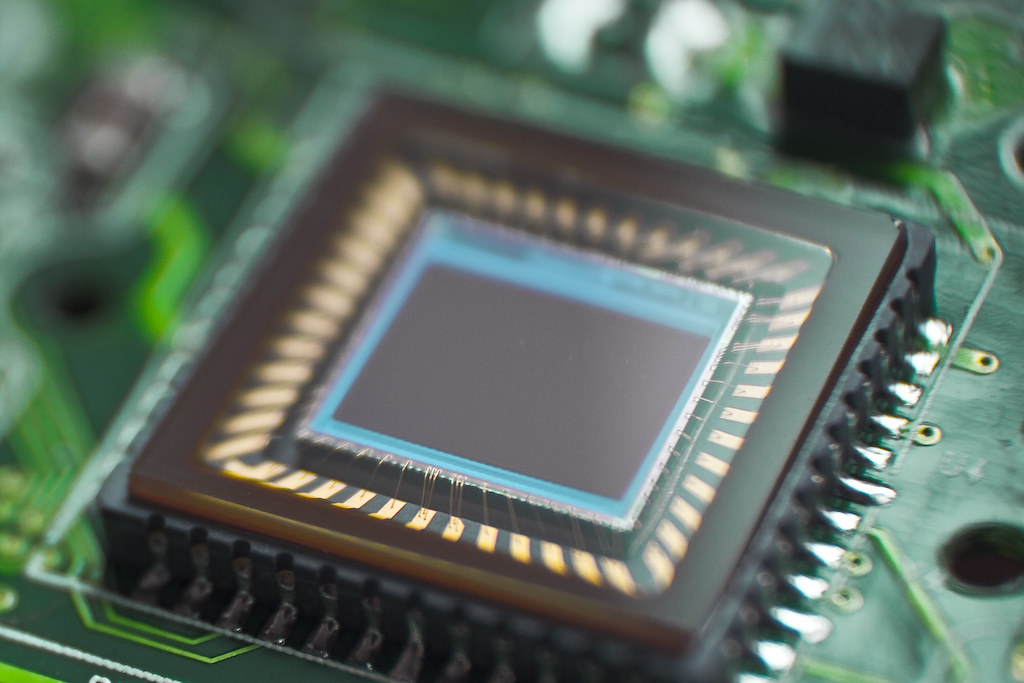

The privacy landscape of artificial intelligence has shifted dramatically. In 2026, the most significant trend isn’t just about smarter algorithms, but about where those algorithms live. local AI models are no longer a niche experiment for developers; they are becoming the standard for conscientious users who refuse to trade their private data for convenience.
The Shift from Cloud to Edge
Just a few years ago, asking a virtual assistant to set a reminder meant sending your voice data to a remote server. Today, that practice feels archaic. With the advent of highly efficient neural processing units (NPUs) in modern smartphones and laptops, local AI models can run complex tasks directly on your hardware. This shift, often called “edge AI,” ensures that your personal emails, health metrics, and search habits never leave your possession.
This change is driven by two main factors: security concerns and latency. Users are increasingly wary of data breaches involving massive cloud repositories. By keeping inference local, the attack surface shrinks dramatically. If your device is offline, the AI still works, and your data is never transmitted.
Why Local AI Models Matter for Everyday Users
You don’t need to be a data scientist to benefit from this technology. Here is how local AI models are enhancing daily digital life in 2026:
- Instant Response Times: Without the lag of internet transmission, on-device AI responds in milliseconds. This makes real-time language translation and voice transcription feel seamless.
- Offline Accessibility: Traveling or working in areas with poor connectivity no longer means losing access to your smart tools. Your digital assistant works without a signal.
- Data Sovereignty: You own your data’s context. When summarizing documents or analyzing images, the model processes them locally, meaning no third party trains on your specific content without explicit consent.
Hardware Requirements in 2026
Running these models requires specific hardware. Most mid-range devices manufactured in 2026 and later come with dedicated AI accelerators. However, older devices may struggle with the most demanding large language models (LLMs). Users upgrading their tech stacks this year should prioritize chips with strong NPU benchmarks over raw CPU power.
FAQ: Understanding Local AI
Are local AI models less accurate than cloud models?
In 2026, the gap has narrowed significantly. While cloud models still have an edge in accessing real-time, global knowledge bases, local models are highly optimized for specific tasks like sentiment analysis, summarization, and personal organization. For most daily personal tasks, the accuracy difference is negligible.
Can I install my own local AI model?
Yes. The ecosystem for open-source local AI is thriving. Users can install lightweight models on their personal servers or desktops using open frameworks. This allows for high customization while maintaining strict control over data usage.
Is local AI completely secure?
While local execution protects data in transit, security depends on device encryption and user passwords. Ensure your device is encrypted at rest and protected by strong biometric or password authentication to maintain the benefits of local AI models.