
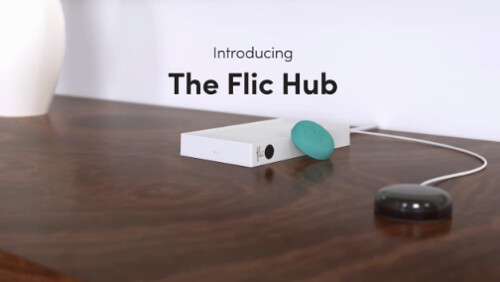

The concept of the smart home hub has evolved dramatically. For over a decade, the central brain of any connected residence was a stationary box plugged into a wall outlet and tethered to the router via Ethernet. That model is obsolete. As we navigate through 2026, the industry has firmly shifted toward battery-powered, fully wireless hubs that sit on desks, hang on walls, or travel with users, decoupling home automation from fixed infrastructure.
The Rise of the Detachable Smart Home Hub
Traditionally, the fear surrounding wireless hubs centered on uptime. If the Wi-Fi dropped, the house went dumb. However, advancements in low-power mesh protocols like Thread and Matter have changed the calculus. Modern hubs now prioritize local processing and ultra-low-bandwidth communication. A typical 2026 hub consumes less power than a standard Wi-Fi router by orders of magnitude, allowing high-capacity solid-state batteries to keep the system operational for weeks, or even months, on a single charge.
Why Flexibility Matters Now
The primary advantage of this shift is spatial freedom. Users are no longer forced to place their automation center in a closet or behind a TV stand near an electrical outlet. This allows for optimal signal placement within the home, reducing dead zones for IoT devices. Furthermore, in regions prone to power fluctuations, a battery-backed hub ensures that critical security systems, such as smart locks and environmental sensors, remain responsive even during short grid outages.
Integration and Ecosystem Agnostic Design
Unlike the proprietary silos of the past, today’s leading smart home hub solutions are ecosystem-agnostic. They act as universal translators for Matter-compatible devices, regardless of the brand. This interoperability means users can mix and match sensors, lights, and appliances without worrying about compatibility barriers. The hub’s battery status is monitored via the companion app, sending alerts before the charge dips critically low, often prompting solar-powered docking stations or wireless charging pads for seamless replenishment.
FAQ
How long does a battery-powered hub last?
Depending on the number of connected devices and protocol activity, most modern hubs last between two weeks and three months on a single charge. Some models with solar charging capabilities can achieve near-permanent uptime.
Is a wireless hub as reliable as a wired one?
For most residential applications, yes. With the adoption of Matter and Thread, the communication overhead is minimal. The risk of latency is negligible for routine automation tasks, though heavy data transfer applications, like video streaming, still require a traditional Wi-Fi connection.
What happens if the battery dies?
High-end hubs include capacitors that provide emergency power for critical functions, such as disarm codes for security systems, for several minutes after the main battery depletes. This ensures users can always access and control essential safety features.
The transition to battery-powered smart home hub technology is not just a convenience upgrade; it is a fundamental reimagining of how we interact with our living spaces. By eliminating the tether, we gain resilience, flexibility, and a cleaner, more adaptable home infrastructure. As battery densities improve and energy harvesting technologies mature, the plug will become an optional accessory for home automation, not a requirement.