

The era of the walled-garden smart home is effectively over. For years, consumers were forced to choose between convenience and privacy, often paying a premium for proprietary ecosystems that locked their data behind closed APIs. As we navigate late 2026, the market has shifted dramatically. The rise of the Linux smart home hub offers a compelling alternative: a system that is open, secure, and entirely under your control.
Why Open Source Rules the Digital Household
Just five years ago, running a home automation server required significant technical expertise. Today, the barrier to entry has vanished. The core advantage of using a Linux smart home hub is not just nostalgia for open-source software; it is about resilience. When a major cloud provider suffers an outage or decides to deprecate a service, your open-source setup remains unaffected. You own the code, the data, and the hardware.
In 2026, this independence is more critical than ever. With the proliferation of IoT devices ranging from smart refrigerators to AI-powered cameras, the attack surface for homeowners has grown exponentially. A local, Linux smart home hub ensures that sensitive data—such as camera feeds and voice recordings—stays on your local network rather than traversing the public internet to distant data centers. This reduces latency and enhances security, creating a private intranet for your home automation needs.
Top Picks for Advanced Users
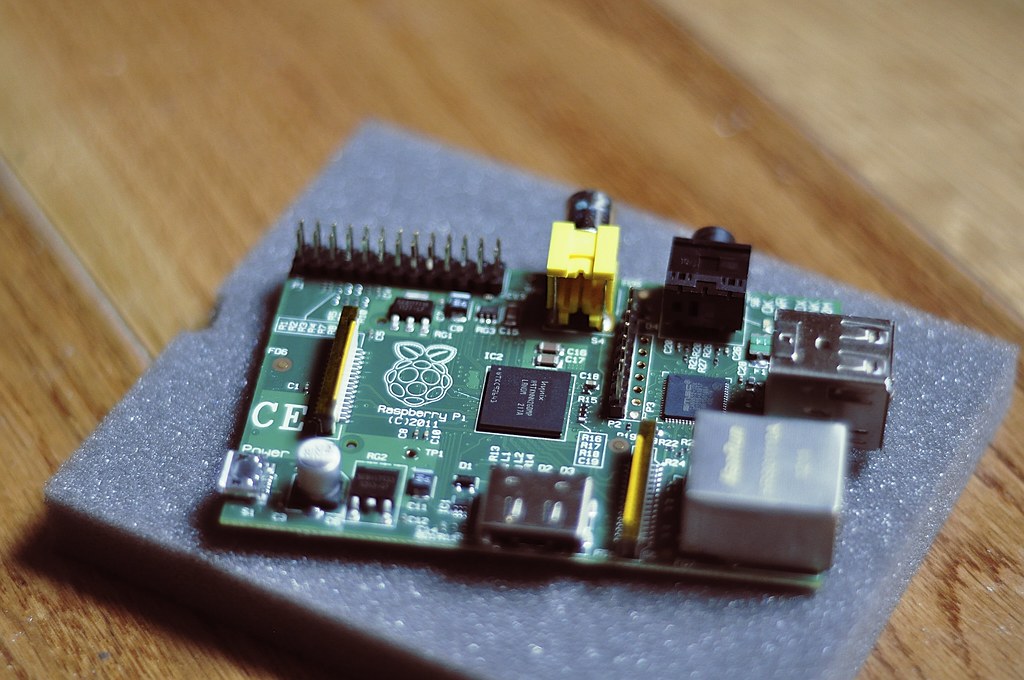
While the Raspberry Pi remains a favorite for DIY enthusiasts, newer single-board computers (SBCs) have entered the market, offering greater processing power for local AI tasks. Devices running home automation software based on Linux distributions allow for seamless integration with Zigbee, Z-Wave, and Matter protocols. Unlike proprietary hubs that often require costly cloud subscriptions for AI features, a Linux-based system can run local large language models for voice control free of charge.
Setting Up Your First Linux Hub
Getting started is easier than many assume. Most modern home automation software comes pre-installed on compatible hardware, featuring user-friendly web interfaces. Setup involves connecting your supported sensors and actuators to the hub. Because the software is open-source, the community provides extensive documentation and pre-built kits, ensuring that even non-programmers can configure their systems securely. The most significant change in 2026 is the standardization of Matter support, which allows Linux hubs to communicate effortlessly with devices from various manufacturers without the need for complex workarounds.
FAQ
Is a Linux smart home hub difficult to install?
Not necessarily. Most entry-level kits come with pre-configured operating systems designed for home use. Installation typically involves connecting the device to your router and using a web browser to guide the setup process, similar to configuring a new smartphone.
Do I need technical expertise to maintain the system?
Basic maintenance is straightforward. Automatic updates for the operating system and applications handle most security patches. Advanced customization requires some knowledge of Linux command-line tools, but it is optional for most users.
Can I move my setup if I change homes?
Absolutely. Because your data is stored locally on the hardware, you can simply pack up your Linux smart home hub and move it to your new residence. There is no dependency on a specific cloud account or ecosystem lock-in.
The shift towards open, locally controlled home automation is not a trend; it is a permanent restructuring of how we interact with our living spaces. By choosing a Linux smart home hub, you are investing in a system that respects your privacy, adapts to your needs, and remains functional regardless of the corporate whims of large tech firms.