
The era of sending every keystroke to a distant data center for processing is fading fast. In 2026, the dominant narrative in artificial intelligence is no longer just about bigger models; it is about where those models live. This shift toward Local AI is reshaping how we interact with technology, prioritizing user privacy, speed, and independence from constant internet connectivity. As hardware capabilities catch up with model efficiency, running sophisticated artificial intelligence directly on your laptop, phone, or tablet is becoming the default experience for millions of users.
The Privacy Imperative Behind Local AI
For years, the primary selling point of cloud-based AI was accessibility. However, the growing awareness of data misuse has driven a massive consumer pivot. With Local AI, your data never leaves your device. Whether you are drafting a sensitive email, analyzing personal financial documents, or simply brainstorming creative ideas, the processing happens within the silicon of your phone or computer. This architecture fundamentally changes the trust dynamic between users and technology providers. You are no longer trusting a server farm with your intellectual property; you are relying on your own hardware, offering a level of security that cloud services inherently struggle to match.
Hardware Meets Software: The 2026 Landscape
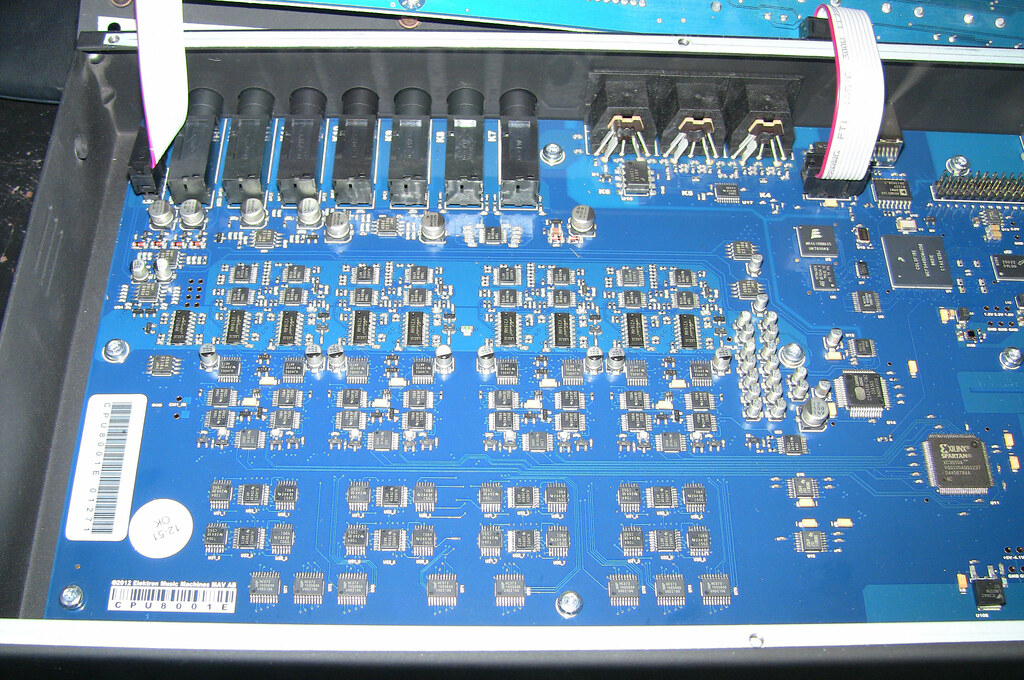
This transition would not be possible without significant leaps in neural processing units (NPUs) found in modern chips. Current devices released in 2026 are equipped with dedicated AI accelerators capable of handling billions of parameters at remarkable speeds while consuming minimal battery life. The optimization of models like Llama 3 and Mistral has allowed complex reasoning tasks to run smoothly on consumer-grade hardware. This means you can translate languages offline, edit photos using generative fill without uploading them, and hold continuous conversations with digital assistants even on a flight or in a remote cabin. The latency is near zero because there is no round-trip to a server waiting for a response.
Benefits of Running AI On-Device
- Enhanced Privacy: Data remains strictly within your personal devices.
- Cost Efficiency: No ongoing subscription fees for basic AI features.
- Offline Capability: Access to intelligent tools regardless of internet connectivity.
- Lower Latency: Instant responses without network lag.
Challenges and Limitations
Despite the excitement, Local AI is not without its hurdles. The most significant constraint is computational power. While everyday tasks are handled effortlessly, highly complex reasoning or generating ultra-high-resolution images still struggles on mobile chips. Users may need to manage storage space more carefully, as high-performance models can take up significant gigabytes of disk space. Additionally, updates require manual intervention or efficient background processes to prevent battery drain during downloads. The gap between the most powerful cloud models and capable local models is narrowing, but for niche, heavy-duty tasks, the cloud remains superior.
FAQ
Do I need a high-end computer to use Local AI?
Not necessarily. While high-end devices offer better performance, many modern mid-range laptops and smartphones from 2025 and 2026 have sufficient NPUs to run quantized models effectively for writing, summarization, and basic coding assistance.
Is Local AI completely private?
Technically, yes, as long as the model does not require internet access to function. However, it is crucial to ensure your operating system and AI application are not sending telemetry data elsewhere. Always check the privacy settings of your specific AI software.
Will Local AI replace cloud AI entirely?
Unlikely in the immediate future. A hybrid approach is emerging where routine tasks are handled locally for speed and privacy, while major, resource-intensive computations are offloaded to the cloud when necessary. The best of both worlds is becoming the standard.