
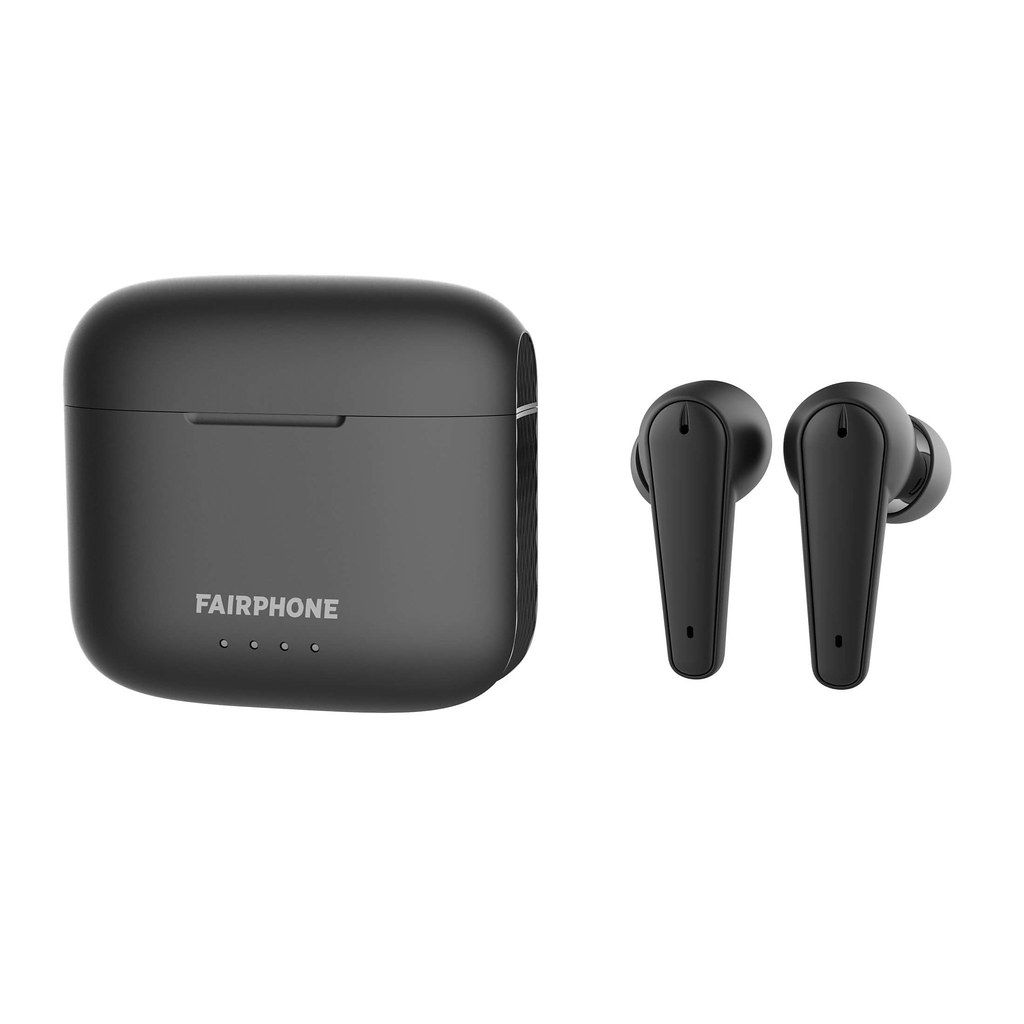
True Wireless Audio: Benefits, Latency, and Buying Guide

The promise of true wireless audio is simple: freedom from tangles and clutter. For years, the debate centered on whether Bluetooth compression could ever match the fidelity of a wired connection. Today, that gap has narrowed significantly, but several practical considerations remain for consumers deciding to make the switch.

Why Switch to True Wireless Audio?

The primary benefit is undeniably convenience. Modern earbuds are engineered to vanish into the pocket or purse, offering an uninterrupted listening experience whether you are commuting, working out, or walking the dog. Active Noise Cancellation (ANC) has become a standard feature, turning chaotic office environments or noisy transit into quiet sanctuaries. This isolation enhances focus and reduces listening fatigue, making long sessions more comfortable.

The Latency Factor

For casual listeners, latency is negligible. However, for gamers or video editors, even a slight delay between visual action and audio feedback can be distracting. While newer codecs like AAC, aptX, and LC3 have improved synchronization, wired connections still hold the gold standard for zero-latency performance. If you are a competitive gamer, check for “low-latency modes” before purchasing.

Practical Considerations Before You Buy

Battery life is no longer the weak point it once was. Most modern devices offer 6 to 8 hours of playback on a single charge, with cases providing multiple additional charges. However, convenience comes with a cost: you now own multiple devices to charge and track. Losing a single earbud can be frustrating, and rechargeable batteries degrade over time, meaning these devices have a shorter lifespan than their wired counterparts.

  • Fit and Comfort: Ensure the earbuds come with multiple tip sizes. A poor seal compromises both bass response and noise cancellation.
  • Connectivity: Multipoint connection allows switching between a phone and laptop seamlessly, a crucial feature for hybrid workers.
  • Durability: Look for IP ratings if you plan to use them during intense workouts or in rainy conditions.

FAQ

Do wireless earbuds hurt sound quality?

For the average listener, modern codecs preserve enough audio data that the difference is imperceptible in casual settings. Audiophiles may still prefer wired options for lossless, high-resolution audio files.

Are they worth the high price tag?

If you value convenience, noise cancellation, and ease of use, yes. If you are on a strict budget, mid-range options often provide 90% of the performance of premium models at half the cost.

Hot this week

Best Linux Smart Home Hubs in 2026

Discover why Linux-based smart home hubs are replacing proprietary controllers in 2026. Learn about privacy, cost savings, and the best devices to buy now.

SASE and Zero Trust Convergence in 2026

Why SASE without Zero Trust is security blind. Learn how identity-centric access transforms modern security architectures in 2026.

Local LLMs: The 2026 Privacy Standard for Developers

Discover why local LLMs are essential for developer privacy in 2026. Learn how on-device AI protects data and boosts performance without cloud dependency.

Serverless Architecture: The Enterprise Cloud Shift in 2026

Discover why serverless architecture is moving beyond microservices to power core enterprise apps in 2026, addressing cold starts and vendor lock-in.

Edge Computing in Kenya: Boosting Low-Latency Tech in 2026

Discover how edge computing is transforming Kenya's tech space, reducing latency for fintech and agritech apps. Learn why this trend matters for developers.

Best Linux Smart Home Hubs in 2026

Discover why Linux-based smart home hubs are replacing proprietary controllers in 2026. Learn about privacy, cost savings, and the best devices to buy now.

SASE and Zero Trust Convergence in 2026

Why SASE without Zero Trust is security blind. Learn how identity-centric access transforms modern security architectures in 2026.

Local LLMs: The 2026 Privacy Standard for Developers

Discover why local LLMs are essential for developer privacy in 2026. Learn how on-device AI protects data and boosts performance without cloud dependency.

Serverless Architecture: The Enterprise Cloud Shift in 2026

Discover why serverless architecture is moving beyond microservices to power core enterprise apps in 2026, addressing cold starts and vendor lock-in.

Edge Computing in Kenya: Boosting Low-Latency Tech in 2026

Discover how edge computing is transforming Kenya's tech space, reducing latency for fintech and agritech apps. Learn why this trend matters for developers.

Zero Trust Security: 2026 Guide for Modern Networks

Discover why Zero Trust Architecture is essential for cybersecurity in 2026. Learn practical steps to implement this critical framework for your organization.

Kenya AI Agents: How Nairobi Leads Africa in 2026

Explore how Kenya AI agents are transforming business in 2026. From Swahili NLP to fintech, see why Nairobi is the continent's automation capital.

Android 16 Features: On-Device AI and Privacy in 2026

Explore Android 16 features in 2026. See how on-device AI enhances privacy, battery life, and smart features without cloud dependency.

Related Articles

Popular Categories