

The promise of smart glasses was supposed to be realized years ago. The vision was seductive: hands-free navigation, instant translation, and heads-up notifications without breaking eye contact with the world. Yet, as we navigate through 2026, the mainstream adoption of these devices remains stubbornly slow. You see them in tech demos and on the wrists of early adopters, but they haven’t replaced smartphones in your pocket. Why is that?
The Battery Wall Remains Unbroken
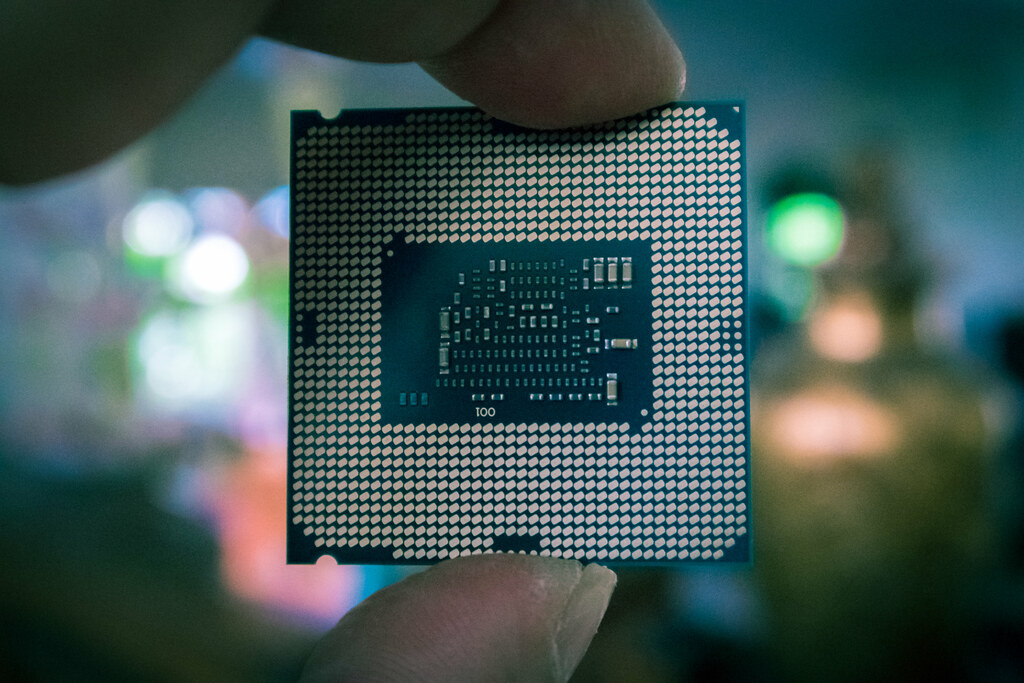
Advancements in chip efficiency have been remarkable over the last three years. Processors are smaller, cooler, and smarter. However, the fundamental physics of energy density haven’t changed enough to support a full day of usage for high-fidelity augmented reality (AR).
Most smart glasses on the market today still require tethering to a phone or a bulky charging case. While wireless models exist, they often sacrifice screen brightness or processing power to squeeze out two or three hours of battery life. For a consumer device that promises to be worn all day, this is a critical failure point. Until solid-state batteries become commercially viable for wearables, the tether remains.
Processing Power vs. Form Factor
Users want the experience of a sci-fi movie, not a pair of heavy goggles. To deliver true AR—overlaying digital information seamlessly onto the real world—you need significant graphical processing unit (GPU) power. That power generates heat and drains battery. Manufacturers are currently stuck in a tough spot: cramming more power into a frame that needs to remain lightweight and stylish.
The Social Stigma Is Real
Technology isn’t just about specs; it’s about social acceptance. In 2026, the “privacy nightmare” narrative has solidified. The presence of cameras in everyday eyewear raises genuine concerns for those around the wearer. It’s not uncommon now to see signs in cafes and clubs reading “No Recording Devices,” referring directly to smart glasses.
This creates a psychological barrier. Users worry that wearing them marks them as “tech-obsessed” or, worse, intrusive. Unlike a phone, which is clearly a tool you can put away, glasses are an extension of your face. The line between private and public recording becomes blurred, making potential buyers hesitant.
What Needs to Change for Mainstream Success?
For smart glasses to move from niche gadget to essential accessory, three things need to happen:
- All-Day Battery Life: Without a viable alternative to lithium-ion, this remains the hardest nut to crack.
- Indiscrete Design: They must look like regular prescription glasses. No obvious screens, no bulky hinges, and no glowing status lights.
- Clear Social Norms: The industry needs to establish ethical guidelines for recording and display that reassure the public.
Until then, the smartphone remains the king of personal computing. Smart glasses may be the future, but the present is comfortable, and consumers are reluctant to trade convenience for novelty.
FAQ
Are smart glasses worth buying in 2026?
For most users, no. They are best suited for specific professional use cases, such as remote assistance for technicians, or for enthusiasts who enjoy early-stage tech. For general consumers, the utility doesn’t yet outweigh the cost and social friction.
Will AI make smart glasses better?
Yes, AI can optimize battery usage by predicting user needs and processing data locally. However, AI alone cannot solve the physical limitations of battery density and heat dissipation.
Is it legal to wear smart glasses in public?
In most jurisdictions, yes. However, privacy laws are evolving. Some venues have the right to restrict devices with recording capabilities. Always be aware of local regulations and venue policies.