

The Shift to On-Device Intelligence
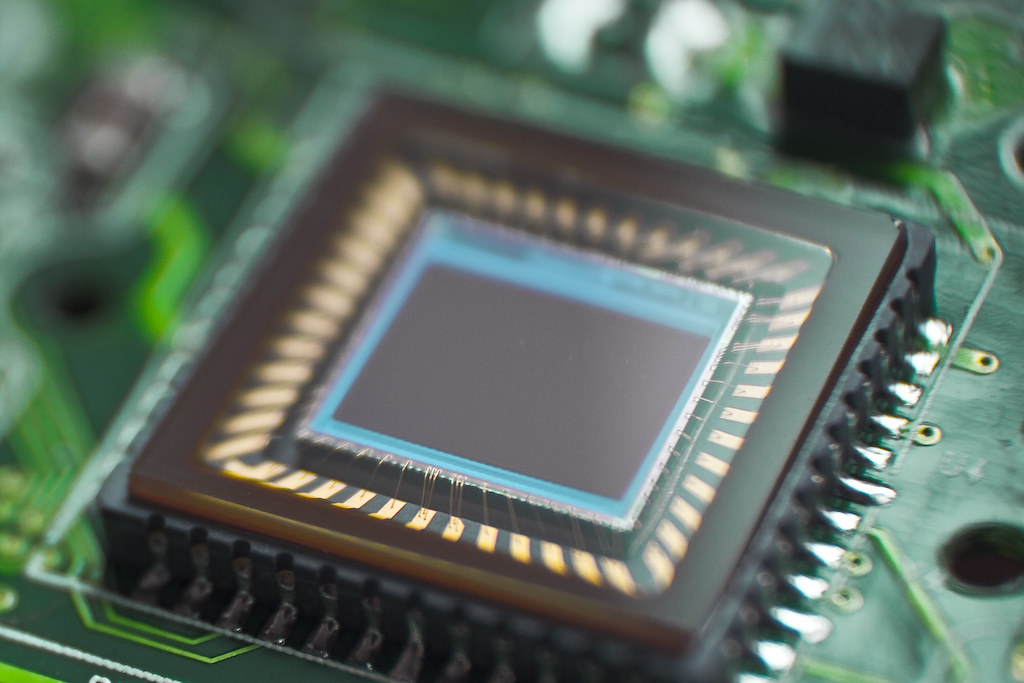
In 2026, the landscape of artificial intelligence has shifted decisively away from massive data centers toward the devices in our pockets and homes. This transition is driven by a key technology known as TinyML. Unlike the bulky neural networks that power cloud-based services, TinyML enables machine learning models to run on microcontrollers with extremely limited memory and power consumption.
For the average tech user, this means your smartwatch, thermostat, and even your toothbrush are becoming smarter without needing a constant internet connection. This edge-based approach solves two major pain points of the early AI era: latency and privacy.
Why TinyML Matters Now
The primary advantage of TinyML is speed. When an AI model runs locally on a chip, decisions are made in milliseconds. There is no time wasted sending data to a server and waiting for a response. This real-time processing is critical for applications like industrial predictive maintenance or real-time language translation on offline-capable earbuds.
Furthermore, privacy concerns have reached a tipping point. Users in 2026 are increasingly wary of sending sensitive audio or video data to the cloud. By processing this data locally, TinyML ensures that personal information never leaves the device. This “privacy by design” architecture is becoming a major selling point for hardware manufacturers.
Practical Applications in Daily Life
You are likely already interacting with TinyML daily without realizing it. Here are a few common use cases:
- Smart Home Monitoring: Cameras that can distinguish between a pet and an intruder locally, sending alerts only when necessary.
- Wearable Health Tech: Watches that detect irregular heartbeats or falls instantly, even without cellular service.
- Industrial Sensors: Devices attached to machinery that predict failures before they happen, running on battery power for years.
Challenges and Future Outlook
Despite its benefits, TinyML is not without challenges. Developing these miniaturized models requires specialized engineering. Engineers must use techniques like quantization and pruning to shrink models without losing significant accuracy. Additionally, the hardware ecosystem is still fragmenting, meaning compatibility between chipsets can be tricky for developers.
Looking ahead to late 2026 and 2027, we expect to see more intuitive development tools that allow non-specialists to deploy TinyML models. As energy efficiency standards tighten for all electronics, the demand for low-power AI will only grow, making TinyML not just a niche trend, but a foundational technology.)
FAQ
What is the difference between Edge AI and TinyML?
Edge AI is a broader term referring to AI processing at the network edge, which can include powerful servers near the data source. TinyML is a subset of Edge AI that specifically runs machine learning on small, low-power microcontrollers, often with less than 1MB of memory.
Does TinyML compromise accuracy?
Historically, smaller models were less accurate. However, advancements in model compression techniques in 2026 mean that TinyML models often retain 95-99% of the accuracy of their larger cloud counterparts, which is sufficient for most real-world applications.
Can I build TinyML applications today?
Yes. Several platforms and open-source libraries, such as TensorFlow Lite for Microcontrollers, provide robust frameworks for developers to train and deploy models on compatible hardware.