
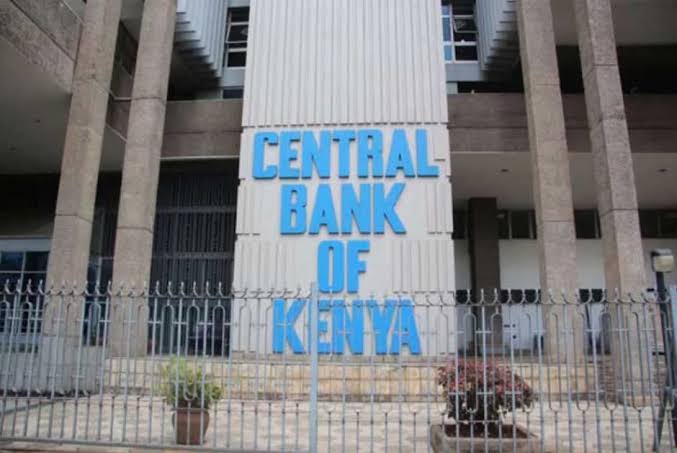

The Central Bank of Kenya (CBK) has maintained its benchmark lending rate at 8.75 percent, offering some relief to borrowers amid rising inflation and growing global economic uncertainty.
The decision was announced following the Monetary Policy Committee (MPC) meeting held on June 9, 2026, where policymakers concluded that the current monetary policy stance remains appropriate despite emerging risks both locally and internationally.
Why CBK Kept the Lending Rate Unchanged
In a statement released after the meeting, the CBK said it had decided to retain the Central Bank Rate (CBR) at 8.75 percent to support economic stability while keeping inflation expectations under control.
According to the committee, escalating tensions in the Middle East have disrupted global supply chains, leading to higher energy prices and increased transportation costs. These developments have contributed to rising inflationary pressures worldwide and weakened global growth prospects.
“The conflict in the Middle East has disrupted global supply chains and led to a sharp increase in energy prices and transportation costs, resulting in higher inflation and moderated global growth prospects,” the CBK stated.
Kenya’s Inflation Climbs to 6.7 Percent
Kenya’s overall inflation rate rose to 6.7 percent in May 2026, up from 5.6 percent in April. The increase was largely driven by higher fuel and cooking gas prices, which have continued to push up the cost of living.
Non-core inflation, which measures changes in food and energy prices, surged to 16.0 percent in May from 13.4 percent in April. The sharp rise reflects increased prices for essential household items, including vegetables such as tomatoes and cabbages, alongside elevated fuel costs.
The inflationary pressure has continued to strain household budgets, particularly for low- and middle-income earners.
Government Measures Help Ease Price Pressures
The MPC noted that government interventions have helped cushion consumers from even higher costs.
Among the key measures was a temporary reduction of Value Added Tax (VAT) on fuel from 16 percent to 8 percent, alongside targeted fuel subsidies. According to the committee, these actions have supported price stability and moderated the impact of global energy price shocks on Kenyan consumers.
Credit Growth and Lower Lending Rates Support the Economy
The CBK also pointed to improved lending activity within the banking sector as a positive development.
Private sector credit growth increased to 9.3 percent in May 2026, a significant turnaround from the contraction of 2.9 percent recorded in January 2025.
At the same time, average commercial lending rates have fallen to 14.5 percent from 17.2 percent in November 2024. Lower borrowing costs have provided relief to businesses and individuals, particularly in key sectors such as agriculture, trade, and construction.
The improved access to credit has been a key factor supporting economic activity despite challenging global conditions.
Economic Growth Forecast Revised Downward
While maintaining a positive outlook, the CBK has revised Kenya’s economic growth forecast for 2026 to 4.9 percent, down from an earlier projection of 5.3 percent.
The downgrade reflects concerns over ongoing global uncertainty, which continues to affect critical sectors such as agriculture and services.
Pressure Mounts on CBK to Raise Rates
The decision to hold rates steady comes amid growing calls from the Kenya Bankers Association (KBA) for tighter monetary policy.
The banking lobby has argued that the recent rise in inflation warrants a modest increase in the Central Bank Rate to help contain price pressures and anchor inflation expectations.
According to the KBA, the 6.7 percent inflation rate recorded in May has increased pressure on household budgets and raises the risk of further price increases across the economy.
The association maintains that raising interest rates would help preserve price stability over the medium term while reducing uncertainty in credit markets. It also warns that sustained inflation could weaken consumer purchasing power, slow economic activity, and increase financial risks.
What the Decision Means for Borrowers
For now, the CBK’s decision means borrowers are unlikely to face immediate increases in loan pricing. Combined with lower average lending rates and improving credit growth, the move provides short-term relief for households and businesses.
However, with inflation remaining elevated and global energy markets under pressure, future monetary policy decisions will likely depend on how inflation evolves over the coming months.



 has maintained its benchmark lending rate at 8.75 percent, offering some relief to borrowers amid rising inflation and growing global economic uncertainty.)