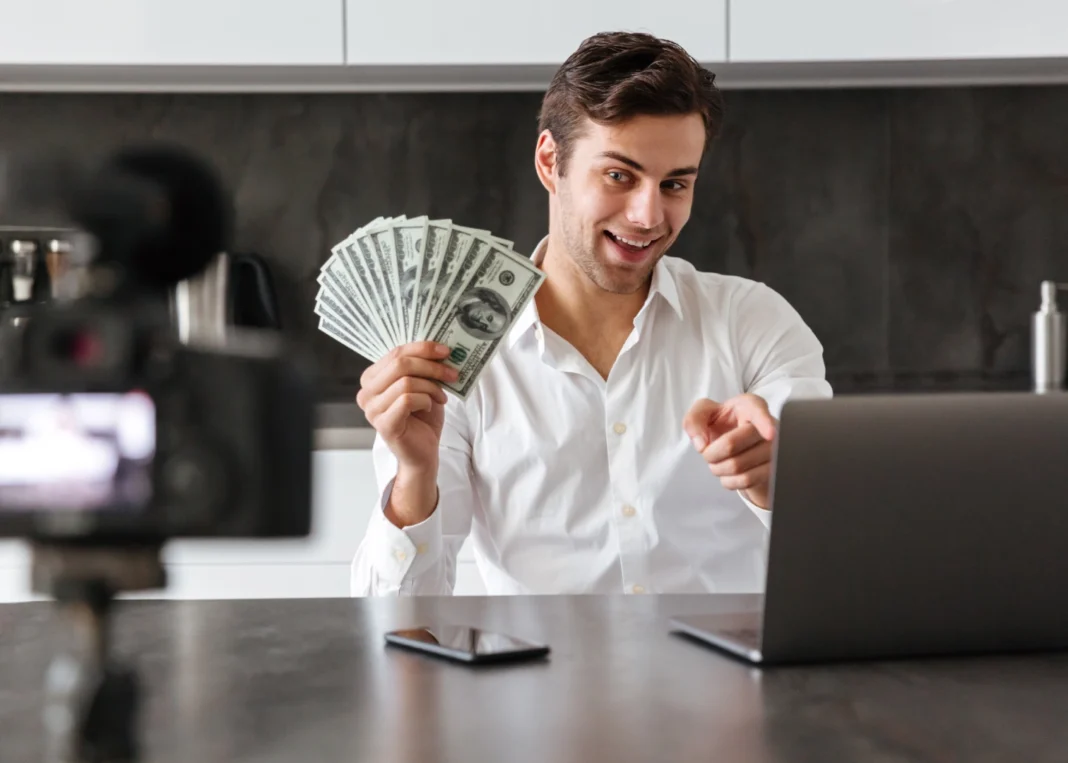

China has been deleting influencers. Not for spreading misinformation, not for political dissent, but for showing off too much money.
Accounts flaunting luxury cars, Hermès bags, private jets, and lifestyles built around conspicuous consumption have been pulled offline under the Qinglang, or “clean and bright,” campaign run by the Cyberspace Administration of China.
China’s decision has sparked a global debate about the role social media plays in shaping aspirations, mental health, and society’s relationship with money.
The crackdown now combines credential-based gatekeeping, large-scale account deletions, and punishing tax penalties. Among the most prominent casualties is Wang Hongquanxing, dubbed “China’s Kim Kardashian,” whose accounts vanished after years of posting luxury outfits, first-class travel, and jewelry hauls to millions of followers.
Beijing’s stated reason is a healthier online culture, but the actual reasons are more layered than that, and the conversation it has reopened matters well beyond China’s borders.
The Real Cost of Aspirational Content
Before getting to Beijing’s motivations, it is worth taking seriously what wealth-flaunting content actually does to the people consuming it.
A Pew Research study conducted in late 2024 found that 48% of teens in the survey believed social media has a negative impact on people their age, up sharply from 32% in 2022, with teen girls consistently more likely to report anxiety, depression, and body image issues tied to their social media use.
Instagram is heavily focused on visual content, which makes it especially relevant here. According to internal research from Meta reported by Reuters, teens who often felt worse about their bodies after using Instagram were shown more content labeled as “eating disorder adjacent.”
This included posts with body shaming and content linked to disordered eating.
TikTok increases this effect through constant volume of content, pushing an endless stream of highlight reels. This can make people feel inadequate when their real lives do not match what they see while scrolling.
“When most people are unhappy with their own lives and they see all this online content that’s so disconnected from reality, it creates a pretty warped psychology.”
– Lyla Lai, a former beauty influencer.
The warped psychology is not limited to body image. A teenager watching a 22-year-old pose next to a Porsche is not just absorbing an aesthetic. They are absorbing a value system, one that equates visible wealth with worth and that quietly tells them their life is failing by comparison.
The content works because it is designed to work, built on algorithms that reward aspiration and engagement regardless of whether the aspiration is real or entirely fabricated.
How the Economy Comes to Play
Analysts say the removal of influencers who display extreme wealth is not only about public morality. It may also be aimed at easing rising feelings of economic inequality among the Chinese public, which have grown worse during the country’s economic slowdown.
Removing the content does not fix the wealth gap. It only removes the visible reminder of it, which is something different entirely. China has long targeted influencers who show off wealth, even before economic concerns became more prominent.
This reflects broader concerns in Beijing that social media can spread ideas viewed as politically sensitive or disruptive. Any government tempted to copy this policy should sit with that context. The motivation is political management, not mental health.
That said, bans rarely work cleanly. The appetite for aspirational content does not vanish when social media accounts get deleted. It usually relocates to private channels, VPNs, and platforms outside state reach.
The aspirational industry restructures quietly. Luxury brands find other channels, influencer marketing shifts toward content framed as educational or patriotic rather than materialistic, and the commercial machinery behind it all adapts quietly.
The Kenyan Version of The Problem
Kenya is nowhere near a Chinese-style crackdown and could not replicate one even if it wanted to. Kenya is home to one of Africa’s most developed influencer markets, with brands spending approximately $5 million on influencer marketing in 2025.
The government is moving in the opposite direction, with the information ministry proposing to spend KES 100 million annually on content creators to amplify positive official government messaging ahead of the 2027 elections.
Kenya has its own ecosystem of fake wealth performance, and it is doing real damage. The “sharp boys” phenomenon, Nairobi’s flashy crypto and forex operators who post doctored trading dashboards and fabricated profits online, is not just fraud. It is a recruitment tool.
The lifestyle content, the cash stacks, the foreign holidays, and the designer drops are specifically designed to attract young people desperate enough to hand over money for a course, a signal service, or a trading package that will deliver nothing.
Showing off wealth is the advertisement. Real or fake, it works the same way by triggering comparison anxiety, which research identifies as a growing problem.
China’s crackdown raises a broader question. The issue is not whether removing content by force is justified, but whether platforms, regulators, and audiences are willing to deal with the effects of showing off wealth online.
This kind of content can shape how people see themselves and others. The debate is long overdue, and Kenya has plenty of local examples to begin the discussion.