

- How AI is Revolutionizing Traditional Banking Roles;
Artificial Intelligence (AI) is advancing at an incredible rate, leading to the invention of new and sophisticated models that create faster and more efficient ways of performing tasks.
This rapid evolution promises to revolutionize various aspects of our lives.
As organizations strive to meet the growing demands for access, connectivity, and flexibility, it’s clear that our workplaces must evolve.
AI is set to disrupt traditional work models, generating new roles, rendering some positions obsolete, and altering existing job descriptions.
 One of the most surprising outcomes of AI’s rise is the transition of data personnel from back-office operations to client-facing roles in modern banking.
With the emergence of AI models that anticipate customer needs, conduct instantaneous credit scoring, and predict delinquency rates, banks are now able to offer loans at an unprecedented scale. This expansion is supported by a growing number of data scientists who are increasingly taking on marketing roles.
Initially, banks introduced basic digital interfaces, such as chatbots, to enhance customer service. However, AI truly gained traction in credit analysis and scoring.
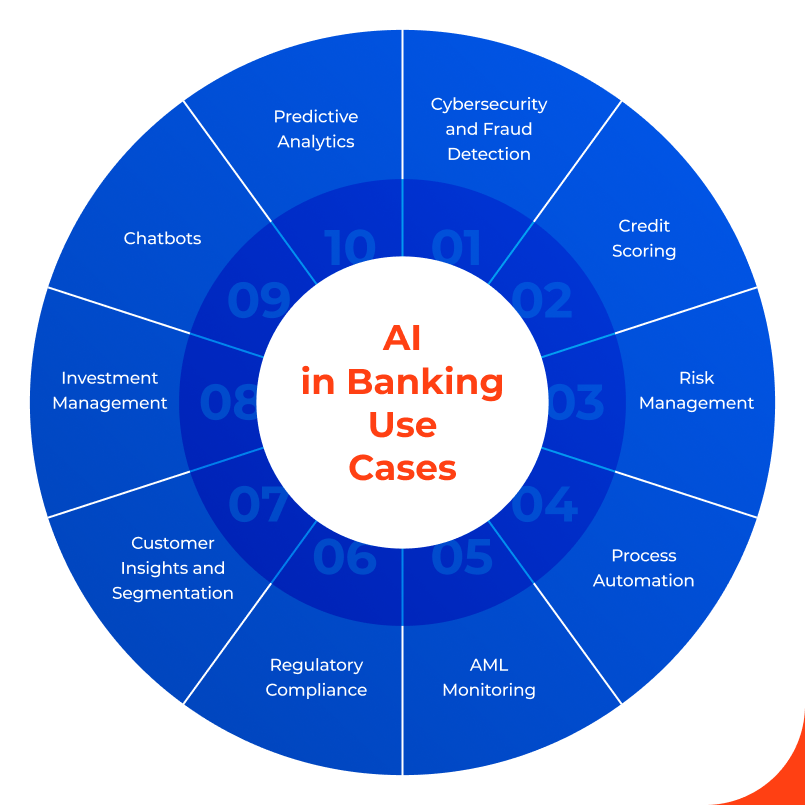 Given that many Kenyans utilize multiple banks and mobile lending applications, AI algorithms can analyze customer data to assess their creditworthiness, allowing banks to make informed lending decisions.
Today, lenders find it more efficient to serve niche customers by recommending customized products, thus maximizing value within the banking ecosystem.
By harnessing AI’s vast potential, lenders are building and deploying new products tailored to customer needs.
For instance, AI can run algorithms to predict which products are best suited for individual customers, providing personalized recommendations.

This development has significantly expanded the banking potential by enabling effective client modeling based on opportunities and risks.
It results in fast and efficient pre-approved loan facilities.
AI models can predict which customers will need loans, analyze their transaction behaviors, and determine pre-approval limits, offering services on demand.
AI has also made significant advancements in fraud prevention, particularly through the development of cybersecurity systems designed to protect customer deposits.
These AI-powered systems can monitor transaction patterns, accurately predict fraudulent activities, and intervene in real-time to safeguard customer funds.
Undoubtedly, the pace at which technology, especially AI, is revolutionizing banking is remarkable. A multitude of solutions is emerging in the market, offering various applications for institutions looking to implement growth strategies and effectively deploy AI.
 I believe a robust data strategy is essential for successfully integrating AI.
This approach should begin by clearly defining the specific needs for AI, followed by a thorough assessment of the technology acquisition process, implementation strategy, and monitoring procedures to ensure tangible financial returns.
At Absa Bank, we generate nearly a hundred use cases for AI each year, implementing them across various functions to enhance our processes and provide value to our customers.
The incorporation of AI into banking operations is transforming customer service by enabling more proactive and personalized interactions.
 This shift has also resulted in a significant increase in IT roles both within individual banks and across the broader banking sector.
Research indicates that banks can improve their front-office productivity by up to 35 percent by leveraging generative AI.
To fully capitalize on the advantages of AI, there is a growing demand for data scientists and experts, leading to a boom in digital job opportunities.
At Absa Bank, we are actively addressing this demand by training our staff and providing funding for graduate internships to cultivate a talent pipeline.

As the world embraces AI on a large scale, we must reimagine our roles within it. It’s crucial to intentionally become an AI-powered workforce to future-proof our careers against automation. To stay relevant in an AI-driven job market, it’s vital to develop a blend of technical, analytical, and soft skills that will help navigate this evolving professional landscape.
- The Author is the Chief Data Officer at Absa Kenya