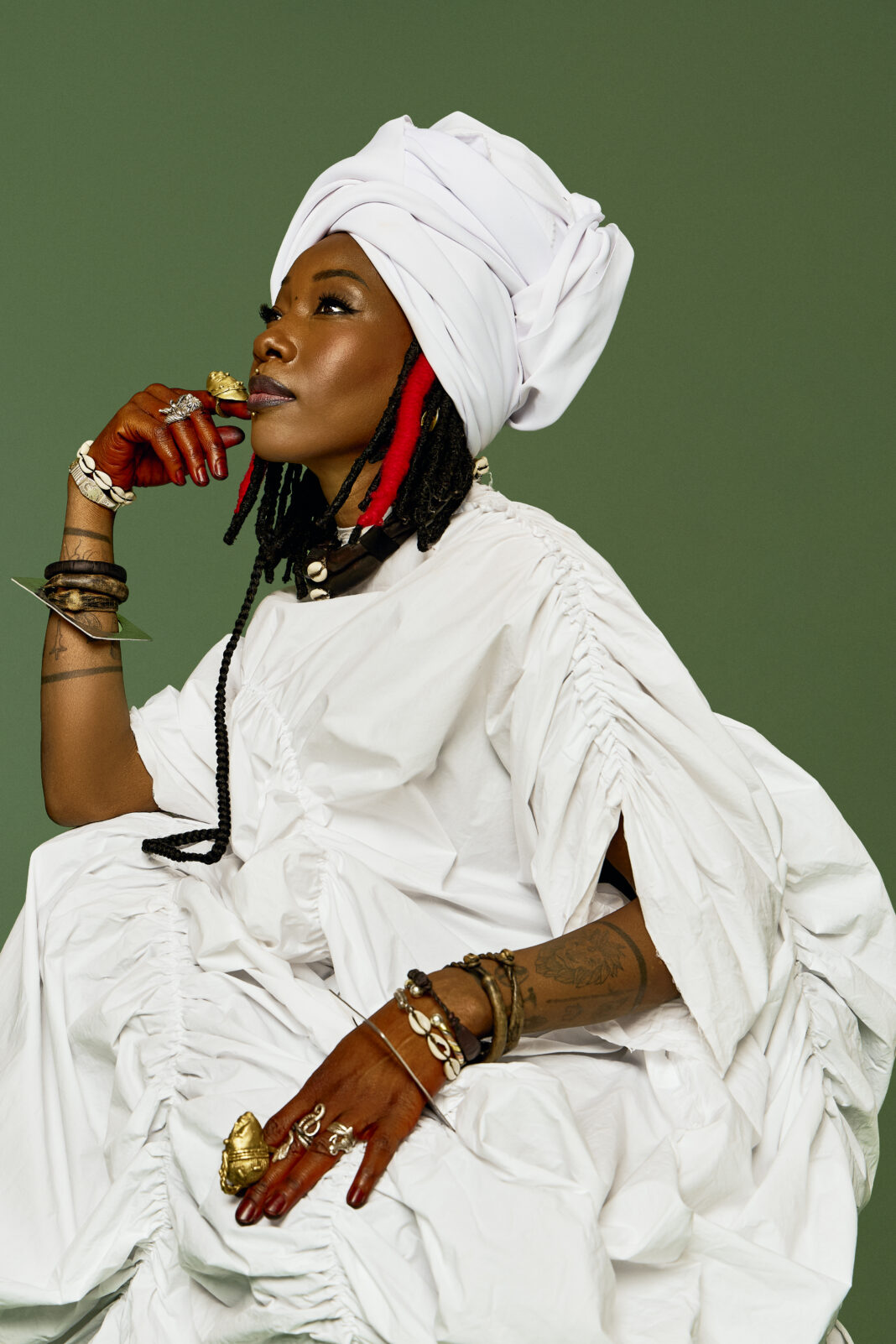

Grammy-nominated Malian singer-songwriter, guitarist and actress Fatoumata Diawara continues to chart her own path through the global music landscape, blending the rich traditions of Mali with contemporary sounds that resonate across continents. Her selection as Spotify’s EQUAL Africa Artist for June not only celebrates an extraordinary career but also highlights the growing influence of African women who are reshaping the future of music on the world stage.
For more than two decades, Diawara has built a reputation as one of Africa’s most compelling artistic voices. Whether through music, film or theatre, she has consistently used her platform to tell stories rooted in identity, resilience and social transformation. Her artistry draws deeply from the Mandinka traditions of Mali while embracing global influences that have allowed her music to transcend borders and cultures.
From her early years in Mali’s film industry to her time as a backing vocalist for legendary singer Oumou Sangaré, Diawara’s journey has been marked by an unwavering commitment to authenticity. Along the way, she has collaborated with some of the world’s most celebrated artists, including Damon Albarn, Gorillaz, Disclosure and the acclaimed Lamomali project, which attracted hundreds of thousands of spectators across France last year. Yet despite her global success, she remains deeply connected to the advice-giving storytelling traditions of Wassoulou culture that continue to shape her creative vision.
This year marks another significant chapter in her career with the release of MASSA, an album she describes as her most intimate and personal work to date. Co-produced with French music icon Matthieu Chedid, the project reflects the balancing act between international stardom and motherhood. Through reflective songwriting, Diawara addresses contemporary social challenges while encouraging listeners to embrace gratitude, self-discovery and resilience in the face of life’s uncertainties.
Her music remains distinctive for its ability to merge traditional African sounds with elements of blues, folk, rock, jazz and modern pop. The result is a soundscape that feels both deeply rooted and refreshingly forward-looking. In an era where African music is gaining unprecedented global recognition, Diawara continues to expand the creative possibilities of what African artistry can represent.
Beyond her musical achievements, Diawara is also breaking new ground in the industry. In 2026, she became the first Black woman to launch a signature guitar with Gibson Epiphone, a milestone that further cements her status as a trailblazer and role model for aspiring musicians worldwide.
Speaking on her selection for Spotify’s EQUAL Africa programme, Spotify’s Head of Music for Sub-Saharan Africa, Phiona Okumu, described Diawara as a powerful representation of the creativity driving Africa’s contemporary music scene.
“Fatoumata’s music reflects the creativity and drive that have helped shape Africa’s current music scene. As part of Spotify’s EQUAL programme, she represents how African women are advancing visibility, driving opportunities and building global connections through their art,” she said.
Behind the international acclaim lies a deeply personal story of healing and self-discovery. Diawara reveals that her relationship with music began during one of the most difficult moments of her childhood—the loss of her sister.
“When I was very young, I experienced the loss of my sister. It was a painful moment in my life, and I remember feeling alone with my sadness. Instead of crying, I started singing. Music became a way for me to express emotions that I couldn’t put into words. It transformed my pain into something beautiful. It was like turning rain into sunshine.”
That experience, she says, shaped her destiny and continues to fuel her passion for music today.
“Music became my way of surviving trauma, healing wounds and finding hope. It continues to heal me.”
Her musical influences reflect the diversity that would later define her own artistic style. Growing up, she listened to celebrated African icons such as Amadou & Mariam, Fela Kuti, Ali Farka Touré, Kassav’ and Miriam Makeba. Their influence helped shape an artistic identity that embraces both African heritage and global creativity.
Describing her own music, Diawara calls it a “melting pot of influences” rooted in Mali but open to the world.
“My songs carry the rhythms and stories of my culture while remaining open to new sounds and ideas. The result is a musical journey that is both deeply African and universally human.”
Her message to young dreamers is equally powerful. She encourages aspiring artists to trust their instincts, embrace perseverance and recognise the strength that already exists within them.
“Believe in yourself even when nobody else does. Don’t let fear stop you from taking the first step. Fear is natural, but it should never be stronger than your dreams.”
As a woman navigating a historically male-dominated music industry, Diawara believes confidence and self-belief are essential tools for success. She credits much of her independence to learning how to play the guitar—an instrument she views as both a creative companion and a symbol of freedom.
“The day I picked up a guitar, I already felt equal. The guitar became my weapon, my freedom and my voice.”
For Diawara, participation in Spotify’s EQUAL programme is about more than recognition. It represents a platform for amplifying women’s voices and creating pathways for future generations of female artists.
“Equality is not about asking for permission to be heard; it is about recognising your own power and using it fearlessly. Freedom is a tool, and every woman deserves to have access to it.”
As African music continues to gain momentum on the global stage, Fatoumata Diawara stands among the artists leading that transformation. Through her music, advocacy and groundbreaking achievements, she is not only preserving cultural heritage but also redefining what it means to be an African artist in the 21st century. Her story is one of courage, innovation and purpose—a reminder that the most powerful voices are often those that remain true to their roots while daring to imagine something new.